

Everything that we experienced with Ziggy led me to do a number of things differently or started doing for both Cookie and Chip.
Health Journal

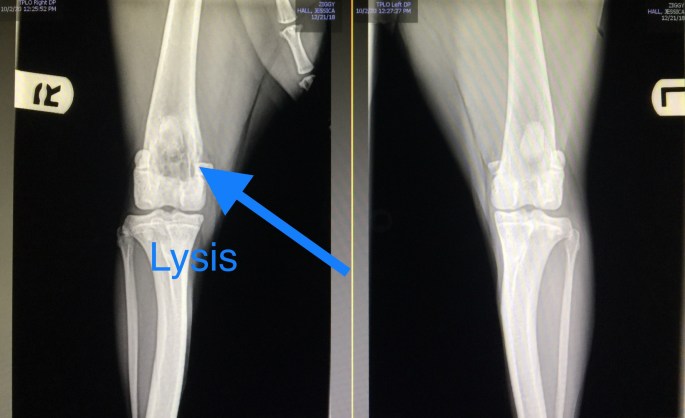
After getting the hemangiosarcoma diagnosis in December 2020, I started a health journal for Ziggy and Cookie. It’s a notebook where I keep track of the supplements they’re on, changes in diet, notes of any symptoms I observe, questions for the vets, feedback from the vets, etc.
I’m very diligent about documenting whenever a particular symptom arises (i.e. vomiting, diarrhea, limping, etc.). It may not seem to be a big deal if it happens once, but it certainly helps with identifying patterns, connections to changes in diet, or determining if it’s something that happened previously.
About one year before noticing the limping that led to Ziggy’s diagnosis, he ran around in the yard and briefly limped. A year later though when it started again, I had no recollection of what leg it was on. While it turned out to be irrelevant, it may have been helpful to reference when going through his diagnosis.
It can be a challenge to be consistent with it when the pups are healthy. I have a reminder set on my phone to take notes every couple of days. Sometimes I skip it (especially if I’ve been making several other notes), and other times I consider the framework I learned in a seminar from PetSummits.com: BEAM – behavior, energy, appetite, and mood. There may not always be much to write, but noting what is normal or what changes you’re observing can help identify patterns or other changes to discuss with your care team.
Nutrition
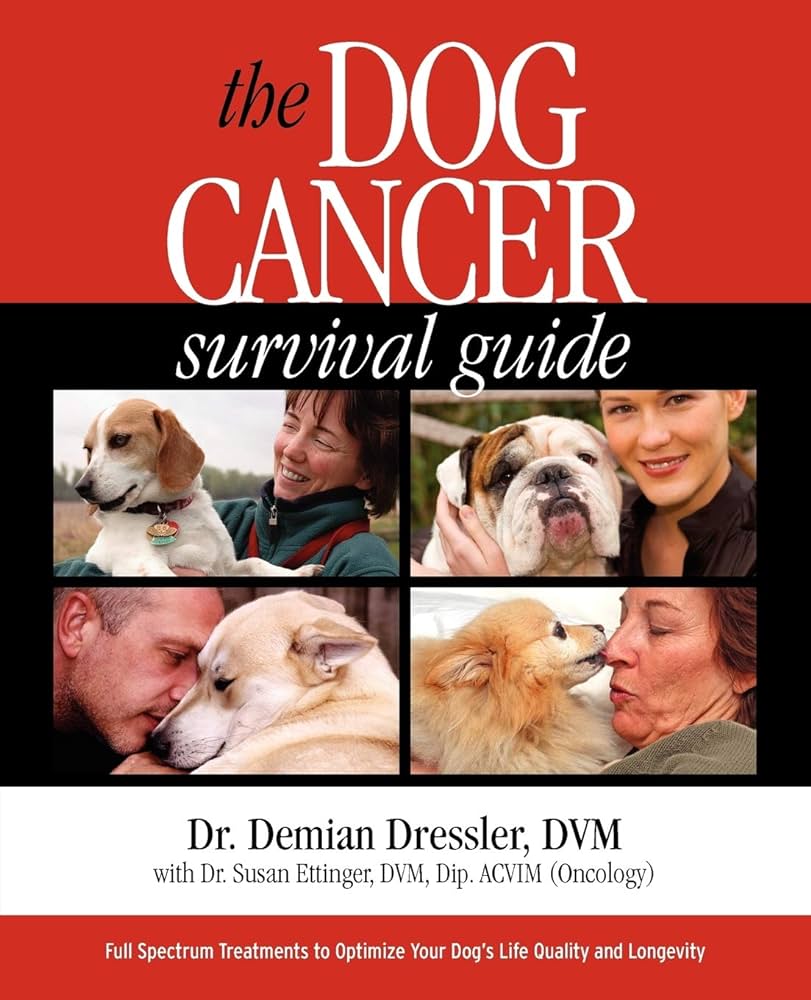

In January 2020, I started home cooking for Ziggy. At some point, I also started cooking for Cookie. They both started on the dog cancer diet from The Dog Cancer Survival Guide*. When Chip joined our pack, I planned to keep him on kibble until he graduated to adulthood. However, he was a very itchy pup. Among several recommendations from our vet, I started cooking for him too. I chose a recipe based on my veterinarian’s guidelines from Yin & Yang Nutrition for Dogs* by Dr. Judy Morgan.
While fresh whole-food diets are the highest quality for dogs (not unlike humans), it’s not always the most convenient (again, not unlike humans). Our veterinarian once advised us to balance a whole fresh food diet with the constraint of being a busy human.
Based on the volume that I’m able to batch cook and how much they eat for their weight, I feed them kibble for breakfast (they’re fed twice daily) and home-cooked food for dinner.
When choosing kibble (or other pre-made food), I refer to TruthAboutPetFood.com. They publish a list every year of the highest quality pre-made food (be it kibble, fresh, or raw). They contact pet food manufacturers inquiring about how they source ingredients and their cooking methods. Many brands are not on the list, but that could be due to unresponsiveness from the manufacturer or lack of awareness of the brand by the website. Nonetheless, it’s my go-to for selecting kibble.
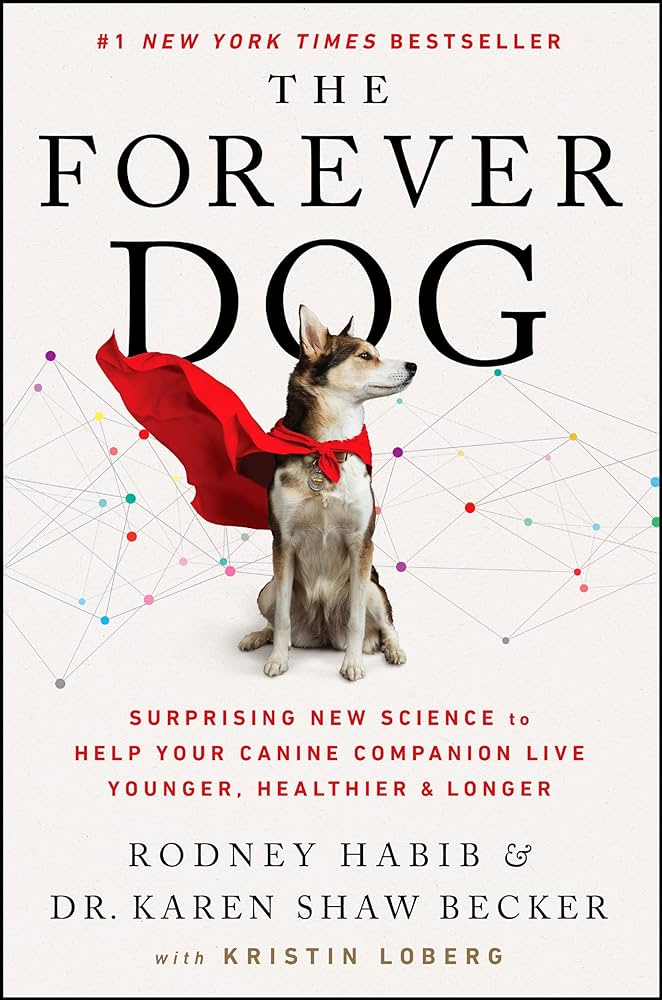
Alternatively, you could refer to chapter nine of The Forever Dog* by Rodney Habib and Dr. Karen Shaw Becker. They share tips for how to objectively analyze your dog’s food based on similar standards to TruthAboutPetFood.com.
You may be short on time or not yet ready to make a change. A simple way to improve the quality of your dog’s meals is to incorporate what The Forever Dog* calls “Core Longevity Toppers (or CLTs).” These are fresh superfoods that you can offer your dog as treats or add as a topper to their meals.
Vaccines & Preventatives
This may be a bit controversial, but it’s something I’ve discussed with my veterinarian and have found supported through multiple trustworthy sources. Studies show that dogs have immunity for much longer than expected (or advertised) with vaccines (a great resource to learn more is The Forever Dog* or Dr. Judy Morgan’s website).
After the initial rounds of core vaccines, I conduct titers. A titer is a blood test to check your pup’s immunity levels. If the test comes back recommending a vaccine, our vet’s office won’t charge for the vaccine since we did the blood test. Other vaccines, such as Bordetella, flu, etc., I evaluated with our veterinarian based on our dogs’ lifestyles and risk of illness. Another factor that may come into decision-making is vaccine requirements by the groomer or training facilities.
Similarly, based on our geographic location and lessons learned from Dr. Judy Morgan, among others, I have switched brands of heartworm preventative and modified dosage to be every six weeks year-round instead of every four weeks. I have discontinued flea and tick preventatives with the support of our veterinarian.
Please do your own research and consult with your care team before making any changes to your dog’s care.
Quality Time & training

Cookie and Ziggy almost always did everything together from the start. With Chip, I’m intentional about giving them separate time with me. Some of it is practical – it’s hard to train a puppy properly on a walk when both hands are occupied with a leash. Some of it is mental and emotional, allowing each to have a break from the other (admittedly, Cookie wants more breaks from Chip given their eight-year age difference) and to form a strong bond with each of us.
So, I also try to take each pup out (aside from a walk) independently once a week. Sometimes it’s a drive through a car wash or a visit to the vet to pick up supplement refills. Other times it’s a shopping excursion to a pet-friendly store or a local farmer’s market. I try to keep it simple and build it into my routine.
Final Thoughts
There may be more things that I do differently, but these are the main changes. You can refer to the Health & Nutrition Pawrenting Resources page for more tools.
Be sure to consult with your care team (veterinarians, specialists, trainers, etc.) before making any changes to your pup’s care.
Note
*I’m an Amazon affiliate and can earn commission on eligible purchases.

















 pawrentingtails.com