

Last week, in anticipation of Thanksgiving, I wrote about what I’m grateful for in our canine cancer journey. Following the shopping “holidays” of Black Friday and Cyber Monday, what better than a post about affording cancer treatment?
What will it cost?

No one can accurately estimate what treatment will cost because it’s determined by many factors. First is the kind of treatment you’re choosing. Surgery, chemotherapy, supplements, radiation, or some combination of those will all affect the costs.
Second is where you live and your options. Like everything, where you live influences the cost of services. Similarly, suppose you want to pursue treatments that your veterinarian doesn’t offer (e.g., chemotherapy or radiation), and specialists are hard to come by in your area. In that case, you may choose to travel for treatment. That will add in another layer of costs – travel expenses.
Third is for how long you are treating your fur baby. Ziggy lived 17 months post-diagnosis. He had surgery, six rounds of traditional chemo, and then went on a low-dose at-home chemo pill. Our oncologist advised that the standard protocol for the at-home chemo is six months. It was safe to continue on it long-term, so we kept him on it until the end. When a mass was found on his spleen, we were going to attempt traditional chemo once again (a different protocol), but Ziggy’s health took a turn before we could continue.
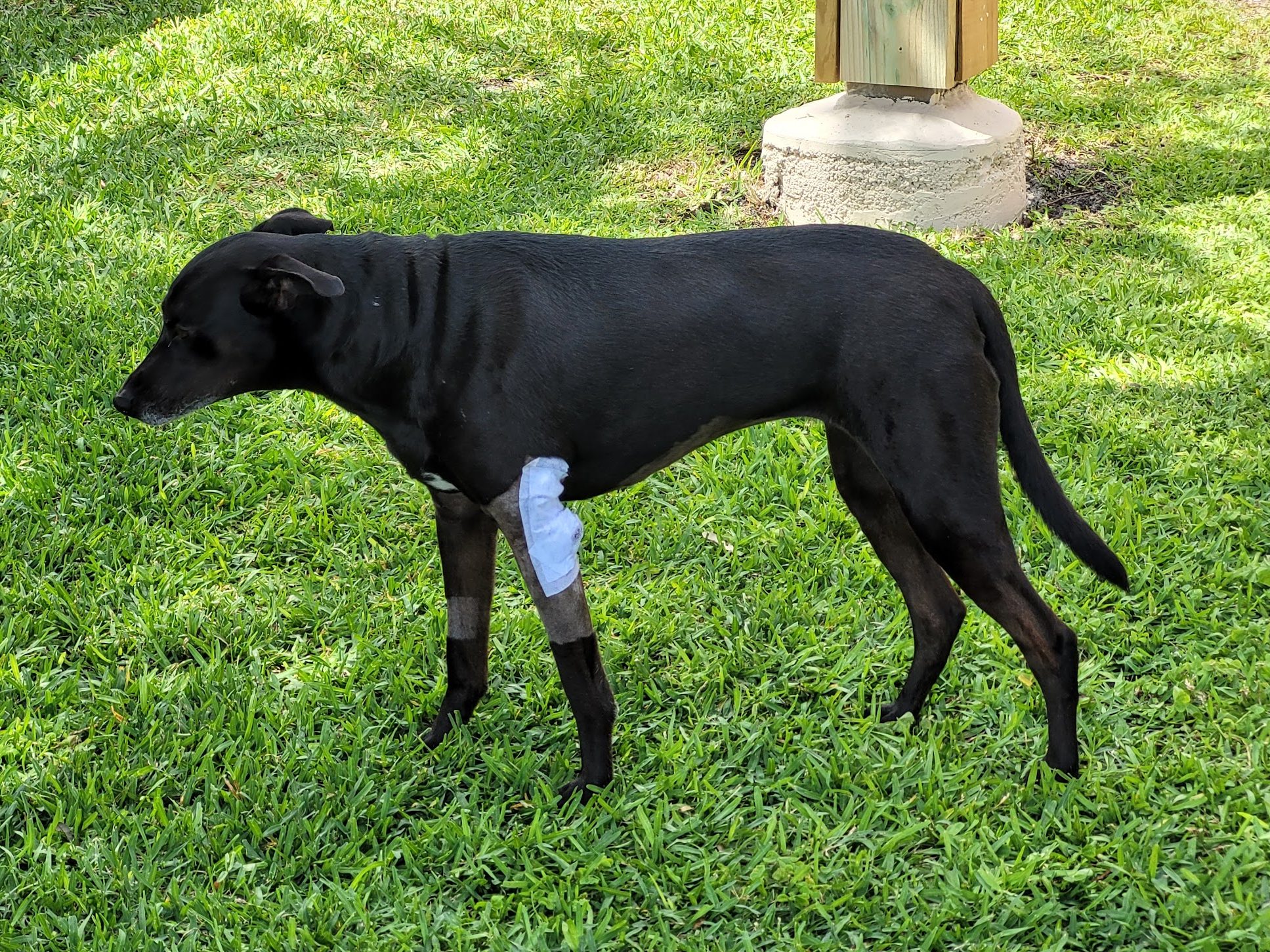
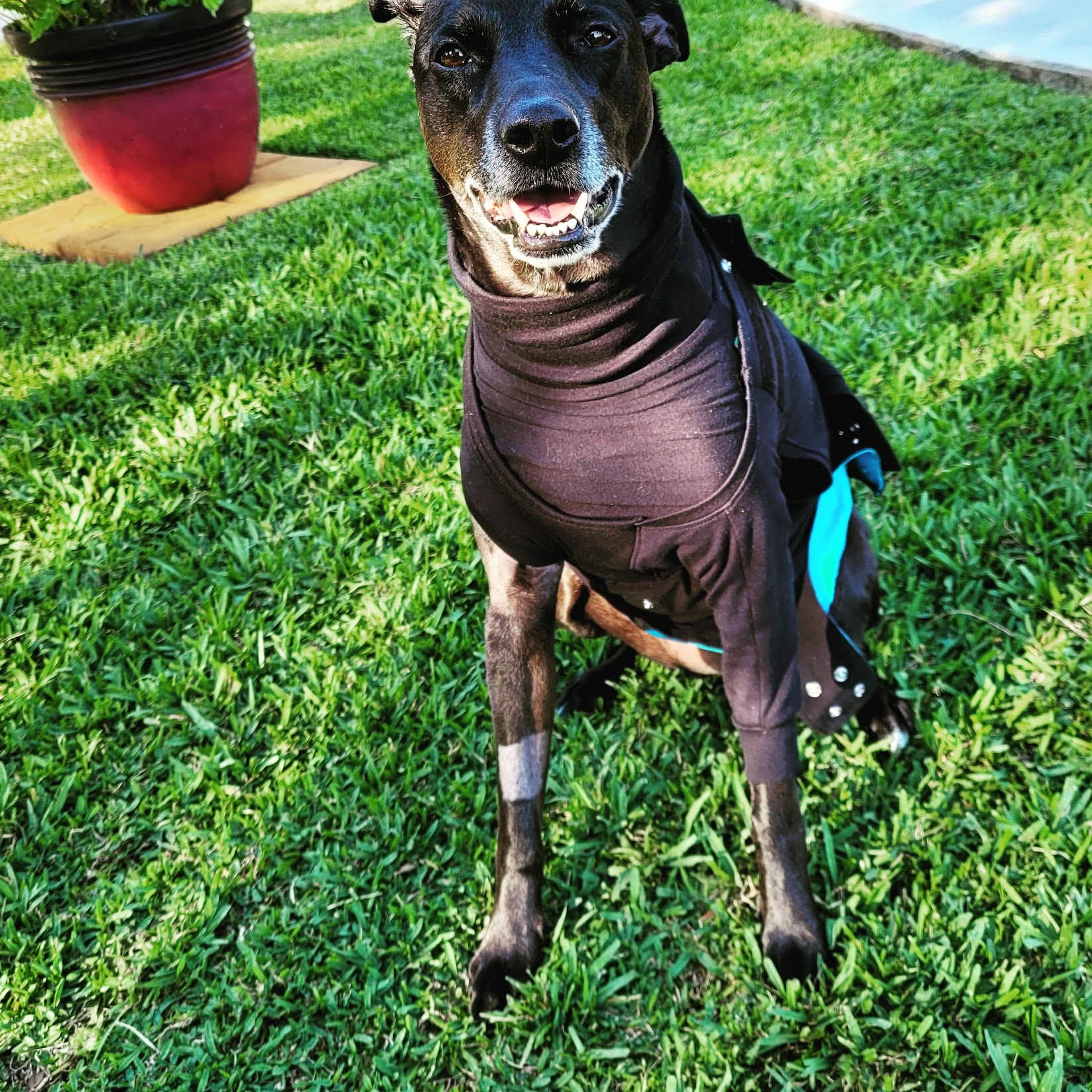
Meanwhile, Cookie had a total of three surgeries in two years and is on the low-dose at-home chemo. She has been on it for nearly seven months and counting.
Not counting supplements, we have spent about half of what we spent (out of pocket) on Ziggy on Cookie so far.
More details about what affects the cost of treating cancer can be found in this DogCancer.com article or this DogCancer.com podcast episode.
Insurance
One reason we can choose ongoing treatment for our pups is through pet insurance. Each time we bring home a pup, the first thing we do is to sign them up for pet insurance. I plan to dedicate a post to insurance, but my key bits of advice:
- Get it early, before health issues arise. Pre-existing conditions are real!
- Choose the highest maximum annual coverage. Increasing it later on will constitute a new plan and any health issues previously found may be considered a pre-existing condition – even cancer.
Financing

Almost everything that we pay for out of pocket we use Care Credit. Yes, it’s a credit card, but it offers no interest financing for at least six months for purchases over $200.
Like any other purchase, you should spend within your means. The benefit of the financing options allows you to spread the cost over time instead of taking a huge hit all at once.
The veterinarians you visit must accept Care Credit as a payment option. Every practice we have been to (at least four in the last three years) accepts Care Credit. What varies by practice is the number of months of financing that they offer. Some only offer six months, while others offer up to 24 months.
Some practices with multiple options would give us the choice of how many months to finance, while others would choose for us based on the amount of our invoice.
Since applying for Care Credit, we were “upgraded” to a MasterCard option, allowing us to earn points on purchases at Care Credit practitioners and other retailers. You can redeem the points for gift cards or statement credits. We apply the points as statement credits to lower the cost of the vet bills that we pay out of pocket.
Read this DogCancer.com article about Care Credit, or visit their website for more information.
Other options
There are other options for paying for treatment that I don’t have first-hand experience with but have read about.
One option is clinical trials. You’ll most likely need to live within travel distance of a veterinary college. There are pros and cons to participating in a clinical trial. While you may get free treatment, there’s a risk that instead of treatment your dog gets a placebo. That may be a worthwhile risk if that’s your only option for affording care. It’s important to note that costs of care may not be covered by the trial, so it’s worth doing your homework before enrolling.
Another option is to look into organizations that may offer grants or other types of financial aid to cover the costs of cancer care. This DogCancer.com article overviews some of the organizations that provide financial aid.
For additional advice, listen to this DogCancer.com podcast episode, where one dog racked up $60,000 in vet bills, or this episode highlighting creative solutions and difficult conversations.
Final tips
My top recommendations from personal experience are to sign up for pet insurance and research whether Care Credit is right for you.
When discussing treatment options with your veterinarian, discuss the cost and your financial situation. They can provide estimates for the treatment so you can research payment options and consider them when choosing what treatment is right for your pup.
Discussing your financial situation with your veterinarian may enable them to offer alternative diagnostics or treatments or even share discounts that their practice offers (e.g., a multi-pet discount).
Bottom line: Don’t assume that care is out of financial reach without getting written estimates from your vet and researching options to help offset the costs.

















 pawrentingtails.com