

February is spay and neuter awareness month. You may think you know everything there is to know about getting your pups fixed, but if you’re like me, I’m betting you don’t. There are some commonalities with cats, but never having had cats, I will speak only to dogs. Remember that this post is based on my experience and learning. Be sure to consult your veterinarian or other professionals before making a decision for your pup.
I Didn’t Know Diddly
Until the past two to three years I knew that getting dogs fixed was important in preventing unwanted litters of puppies. With thousands of dogs being euthanized annually due to limited homes and limited space in shelters, spaying and neutering dogs is key to reducing the number of healthy dogs euthanized. I knew that getting a dog from a shelter or other rescue meant that they would be fixed before coming home. While I didn’t know the details of the timing, I did know that dogs from breeders would get fixed months to a year after being brought home.
I never thought much of this, as spaying and neutering is a familiar and routine procedure. I assumed that it only carried the risk that comes with any kind of surgery.
My education
When Ziggy was diagnosed with cancer in late 2020, I began doing a lot of research – attending online conferences and reading articles. I started seeing a lot of references to a link between early spay/neuter and cancer. Many advocated delaying the surgeries until the dogs are around one year old to ensure they get the health benefits of their sex hormones.
While this advice struck me as common sense in retrospect, I was confused. If there was a link between early surgeries and cancer, why did rescue groups opt for early surgeries? In a nutshell: humans are irresponsible and suck.
In March 2022, I attended the Holistic Pet Care Summit. The module with veterinarian Dr. Tara Timpson, who worked at Best Friends Animal Sanctuary, addressed my questions and confusion.
Once upon a time, dogs and puppies would be adopted out without being fixed. The organizations would encourage adopters to return for FREE surgery once the dogs mature to the appropriate age. But the lazy humans DIDN’T follow through on their commitment. While there’s nothing wrong with responsibly breeding dogs, people would be irresponsible with their intact dogs, resulting in unwanted litters of puppies – not enough homes and not enough space in shelter groups.
So the rescue groups were confronted with a choice: do we risk high kill rates of otherwise healthy dogs due to lack of space? Or do we operate on them young, risking illness later in life?
Beyond Cancer
Early spay and neutering is linked to more than cancer.

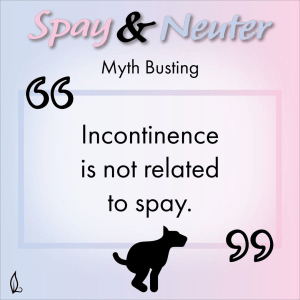
After Ziggy died in March 2022, Cookie started experiencing incontinence in her sleep. My worrisome brain went straight to cancer. After a couple of tests to rule out more serious illness, our vet advised that the incontinence was likely caused by early spay. While there is medication available to help with incontinence, it comes with its own risks (like all medications). We opted to keep Cookie off of the medication and manage the incontinence with diapers, supplements, and more frequent walks and potty breaks (even in the middle of the night).
Options
There are multiple surgical solutions for preventing an unwanted litter – two for males and four for females. If you bring an unfixed dog into your home, consult with your veterinarian to consider which option is best for your pup based on age and lifestyle. Each has its own risk factors, so evaluating the options with your veterinarian is important.
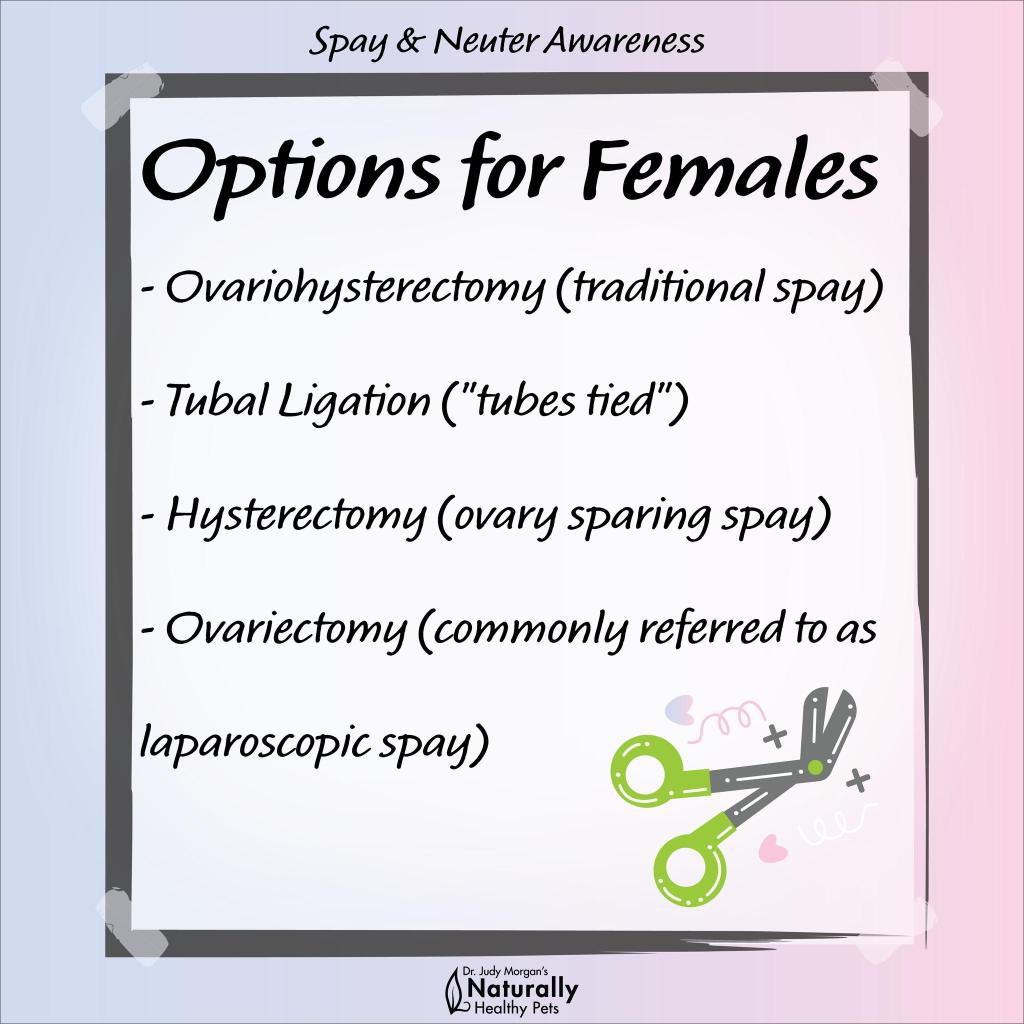

If you rescue, you may feel as if you have no options. You could try contacting potential rescue groups to learn what procedure is done on their pups prior to adoption and whether they may be open to letting you choose the procedure. I haven’t tried this, nor have I heard anecdotes from anyone who may have tried it.
You can also work to make changes to veterinary education. Dr. Karen Becker has a petition to include all procedures as part of the veterinary curriculum. On the petition page, you can learn more about the limited curriculum veterinarians receive on spay and neuter surgeries
The Bottom Line
You may not always have a choice in when or what kind of spay/neuter surgery your pup gets, but if you do, evaluate all the options with your veterinarian and decide what is best for your dog. And if you can’t, you CAN advocate for changes in veterinary education, and when


 pawrentingtails.com