Blog

Get them rats!

Next up for National Train Your Dog Month is barn hunt!

As always, these posts focus on my knowledge and experience of the sport. Consult the various links in the posts for more information.

What is it?

Cookie competing in a barn hunt trial, January 2020.

The essence of barn hunt is hide and seek with rats in a maze of hay bales. Fear not; the rats are safely secured inside plastic tubes with holes. Depending on the level your dog is competing in, the number of rats hidden will vary. There will also be at least one tube that is completely empty, while another will have “litter” (or bits of hay/bedding that smells like rats).

The tubes are hidden in a course of bales of hay. Your dog is to sniff out the rats, signal to you that they found a rat, and you proclaim, “Rat!” In addition to successfully identifying all hidden rats, your dog must also climb atop a bale of hay and complete a tunnel.

As far as I know, the only organization that sponsors barn hunt trials is the Barn Hunt Association. Your dogs must be registered with them to compete in trials hosted by various dog clubs. When you earn barn hunt titles, the American Kennel Club (AKC) will recognize the title, for a fee, of course.

How we started

Ziggy finds rats in a barn hunt trial, January 2020

When Cookie started her journey with agility, we became members of a local dog sports club. Barn hunt was another sport that they hosted competitions in. I was a bit averse to the concept of searching for rats, but friends in the group suggested trying it, telling me that no training was needed.

So I did. Cookie and I signed up for an initial trial. She started with the instinct level, the most basic round. There are 3 tubes that are not hidden in hay. They sit in a rack on the other side of the tunnel. Climb and tunnel are optional at this level. The goal is for your pup to identify the tube with the rat, for you to correctly guess based on your dog’s cue, and move on.
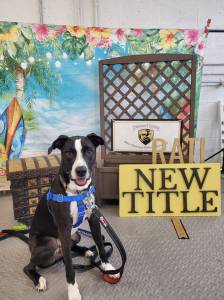
Chip shows off his RATI (instinct) title, August 2023

Cookie, Ziggy, and Chip all competed in barn hunt, but Cookie is the only one not to title in Instinct. The reason is that titling in instinct isn’t required to compete in the next level up, and once you title in novice, you can’t compete in Instinct.

Once Cookie got started in novice, she quickly moved up to earn her novice title and came one qualifying run short of titling in the open. Cookie got stuck in open when Ziggy came along. When Ziggy started competing, he would bark the entire time that Cookie was competing, and she instantly became more preoccupied with the well-being of her brother than finding rats.

When the pandemic hit and Ziggy’s cancer journey began, all competition stopped. Last August, we signed Chip up for his first barn hunt trial. He’s a pro at finding the rats but is too nervous to tunnel. And Cookie remains uninterested in finding rats.

What they don’t tell you

The club that I started with in barn hunt always said that you didn’t need training in barn hunt and to just rely on your dog’s instincts. This worked for Cookie and Ziggy, but Chip would benefit from training (which I didn’t know was a thing for barn hunt until after his first trial). While the instinct may be there to find the rat, your dog may need training to learn to tunnel or also to exit the ring. Chip was hard to catch once our turn was up. The judge advised that it is something that he could be disqualified for, which would be a shame had he qualified in novice.

Competing in barn hunt is significantly more expensive than agility. It may seem surprising at first, but upon inspection, it makes sense. The equipment in agility can be used for years through countless competitions. But the key “equipment” in barn hunt are live rats. Additionally, while bales of hay can be reused while they remain intact, it’s not uncommon for dogs to mark on them (or paw or bite them). While it’s common to charge the owner a fee when this happens, bales of hay don’t last nearly as long as agility equipment.

How dogs signal that they’ve found a rat can vary wildly. I’ve seen some dogs go CRAZY barking and biting bales of hay to say they found a rat. Meanwhile, others, like Cookie, go completely still. (According to the judge who made this observation, Cookie was “disgusted” by the rats!)

I also learned how your dog signals can change over time. Once Cookie started getting stuck in open, I wish I had taken a break from trials and instead took a couple of classes or done a fun run to learn if she was changing how she was signaling or if she truly lost interest in the sport.

The bottom line
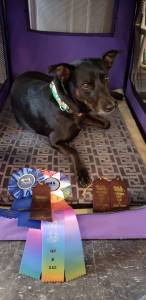
A proud Cookie showing off her barn hunt ribbons, January 2019 (before Ziggy came along).
A proud Cookie showing off her barn hunt ribbons in January 2019 (before Ziggy came along).

Barn hunt is a less physically demanding sport compared to agility. It leverages your dog’s natural hunting instincts but can benefit from practice and classes.

Like with everything else, explore your dog’s interests and simply HAVE FUN!! Even if your dog doesn’t find a rat in the competition, every judge we’ve competed under has made sure that a rat tube is presented to the dog to sniff and for excitement to be demonstrated so they leave the ring on a pawsitive note.

Agility: Not for the faint of heart

Second up for National Train Your Dog Month is agility!

As always, these posts focus on my knowledge and experience of the sport. Consult the various links in the posts for more information.

Full disclosure: I never competed in agility with any of our dogs. It was my husband’s sport with Cookie. I served as their manager, photographer, videographer, cheerleader, and backup handler.

What is it?

Agility is essentially an obstacle course for dogs with a specific sequence that you lead your dog through, and where accuracy and speed matter.

There are several venues that sponsor agility competitions, including the American Kennel Club (AKC), the United States Dog Agility Association (USDAA), and Canine Performance Events (CPE). There may be more, but these are the venues in which Cookie competed.

Agility equipment poster from RedBubble.com

Each venue has different levels of competition and different rules. The obstacles may vary but generally include jumps, weave poles, teeter, dog walk, A-frame, table, and tunnel. The obstacles are laid out in a specific sequence. Handlers have the opportunity to walk the obstacle course for a few minutes before the competition begins.

While the obstacles are numbered to guide you, walking the course allows you to learn the course so you can focus on staying ahead of your dog and directing them accordingly during the competition.

Walking the course also lets you think through the types of signals you’ll give your dog to run the course completely.

How we started

Cookie going over jumps in a March 2019 agility trial
Cookie going over jumps in a March 2019 agility trial. Credit: Robin T Brumfield Photography

Last week, I talked about how we started obedience at a shelter near our home. Cookie’s initial classes were outside in a fenced-in field. One week, there was an agility class being held in the field next to us. My husband watched through the chain link fence, looked at me, and said, “We should try that!”

I pretended to ignore him until one of the obedience instructors, also a member of the canine sports club that held agility classes on that field, approached us and said that Cookie would do great in agility. So, I jotted down the name of the group and signed us up for an intro to agility class.

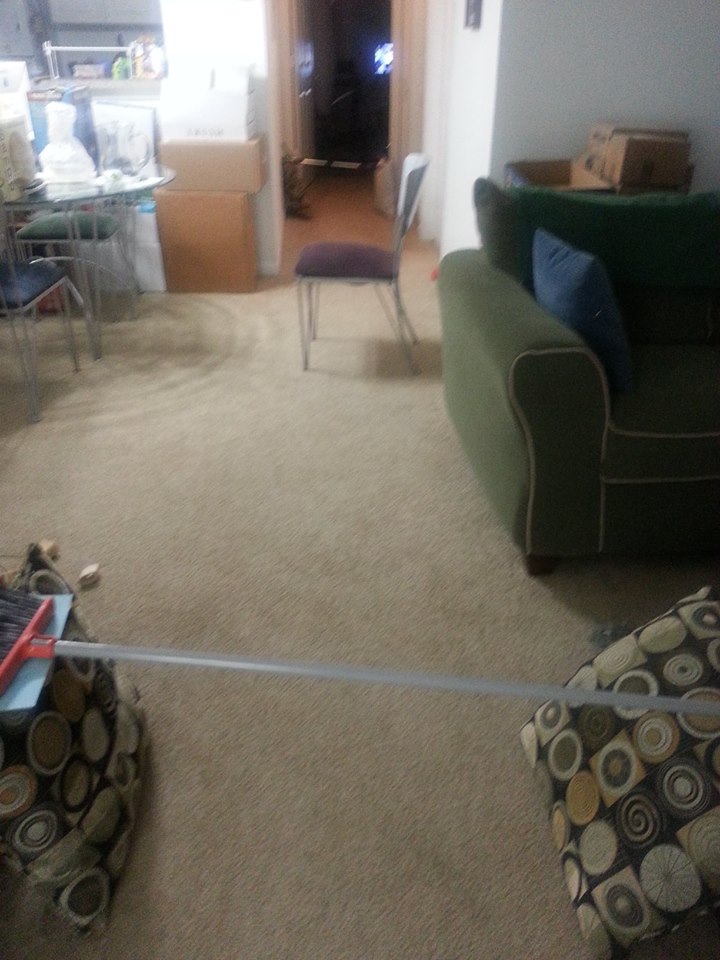
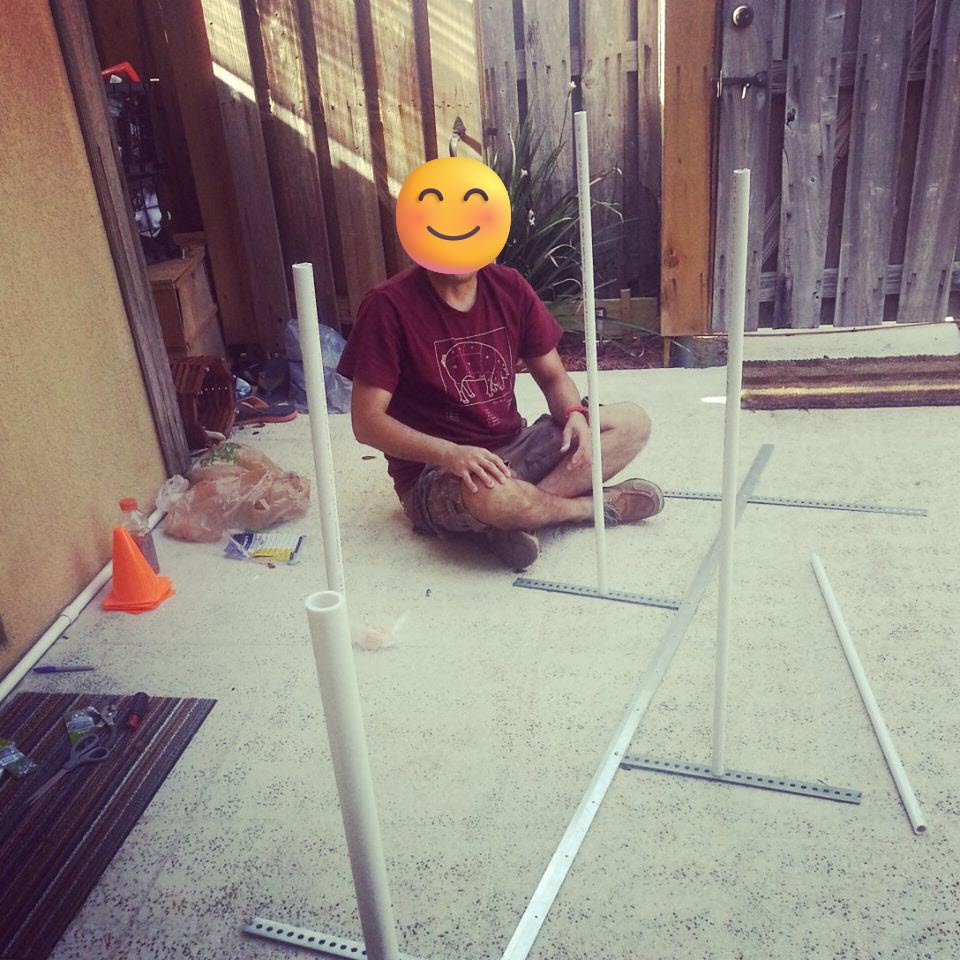
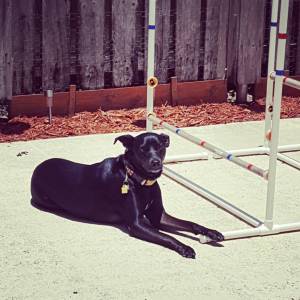
Before we actually started, and while we still lived in an apartment, my husband started practicing agility with Cookie indoors. When we moved into a townhome, he built some basic jumps and weaves for practicing with Cookie at home.

We took classes for at least a year before entering Cookie in her first agility competitions. It probably took her roughly a year of competition before her brain “clicked,” and she started sailing through the competitions.

What they don’t tell you

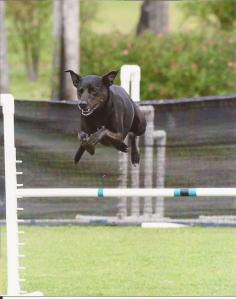
Cookie flying over a jump in a 2019 CPE agility trial. Credit: Robin T Brumfield Photography

We were fortunate to have great agility instructors and a community when we first started. Thankfully, most of this was told to us, but sometimes it takes you experiencing it for yourself before the lessons really sink in.

Most of the work is on you

Cookie, circa 2015-2016, practicing agility through osmosis.

This is one that was truly surprising, but validated when I would record Cookie’s classes in addition to competitions. Once your dog knows the obstacles, most of the work is on you. It’s up to you to know the course, be far enough ahead of your dog (spoiler alert: you can’t outrun your dog no matter how in shape you are), and ensure your whole body is giving your dog the same direction.

Record your runs, and you’ll find that when your dog goes the wrong way, 97% of the time, your body language is sending mixed signals. Your feet, torso, and hands need to all be pointing in the same direction.

Different Venure, Different Rules

While the basics of each obstacle will be the same across venues (i.e., AKC, USDAA, CPE, etc.), the specific rules may vary. For example, in one venue, the table obstacle doesn’t care which position the dog is in, while another requires the dog to sit or lie down.

Similarly, other rules about competition (i.e., whether they can wear a collar or must run “naked”) may vary by venue. If you’re taking classes with an instructor who is experienced in multiple venues, they’ll likely point these nuances out during classes. A recommendation from our instructors was to train with the more conservative rule (i.e., train your dog to lay/sit in a position for all venues).

Even if they do, you’re liable to forget before your first competition (or get them all mixed up). You can research rules ahead of time. Day of competition – be sure to be present for the judges briefing at the start of the day (usually an overview of trial-level rules) and, more importantly, in my opinion, the briefing happening for each specific class. Since judging may be more critical at higher levels, they’ll go over what counts as a fault at the start.

Don’t let your first competition be your first trial

The best way to know what to expect at your first competition is to go to trials before you start competing. You can take your dog to expose them to the chaos of a trial (lots of dogs in crates, loads of baring, speakers, and buzzers).

Observing the routines of the briefings, learning your dog’s results, and more are incredibly beneficial.

Even better than observing: volunteer. All of the trials we’ve been part of have required volunteers. Without volunteers, the competition can drag on and be a worse experience for all involved. Most of the volunteers are likely competing as well, so they may not be able to do set jobs for the whole trial.

Doing so can really set you up for success. I remember that we briefly went to one or two trials, but we purely sat on the sidelines at first. I’ll never forget at our first trial, in between runs, one of Cookie’s instructors came up to me asking how she did. I had no idea. Thanks to her dragging me off the bleachers, I learned that there’s a table where the results get shared. I might have been waiting for results to this day if not for her kindness. Had we been more involved as volunteers before competing, this is something we likely would have learned in advance.

Dogs just wanna have fun

Cookie at an agility practice with her substitute handler (aka me) in September 2019.

Most important: JUST HAVE FUN!! Agility is fun and a great bonding experience. Even if you dream about competing in national or international competitions, fun, and bonding must be at the center of every activity.

Start trialing before your dog is perfect in class. Cookie was incredibly food motivated, and in the beginning, she would constantly jump at my husband’s hands looking for her payday (in class). Treats aren’t allowed on courses, but she repeated that same behavior for a while. It’s something we had to work on with her before something finally clicked in her brain, and she truly started looking (and competing) like an athlete.
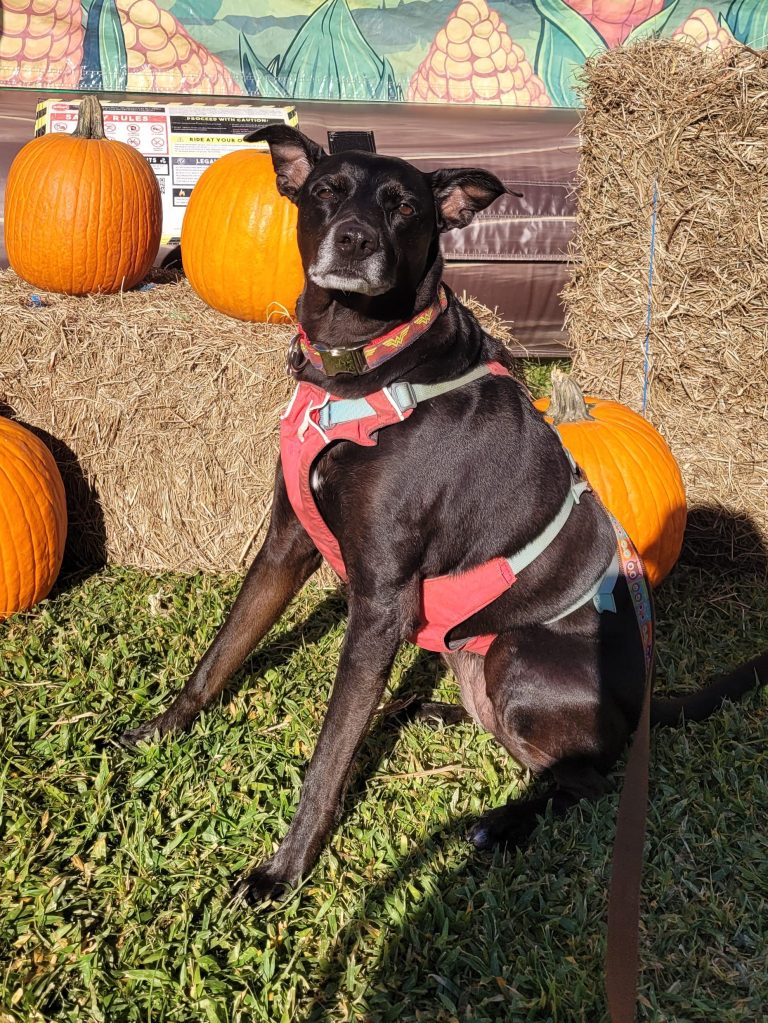
Throughout all of the classes we took with Cookie, the common refrain I heard: the tunnel is puppy crack. Once it was taught, few classes would ever include a tunnel in the course because it was so addictive for them.

This isn’t true for all dogs. While Ziggy never got to compete in agility, I taught him to tunnel for barn hunt with an agility tunnel. I tried the same approach for Chip in barn hunt. He was not having it! Tunnel has taken a lot more effort with Chip (and I haven’t kept up with practice with him). He’s made terrific progress with it, but it didn’t translate to his first barn hunt trial last year.

The bottom line

Agility isn’t for everyone, human or canine. I went to all of Cookie’s classes, recorded them, and would often critique my husband. Then, I became his stand-in when he had work conflicts. Agility is much easier from the sidelines.
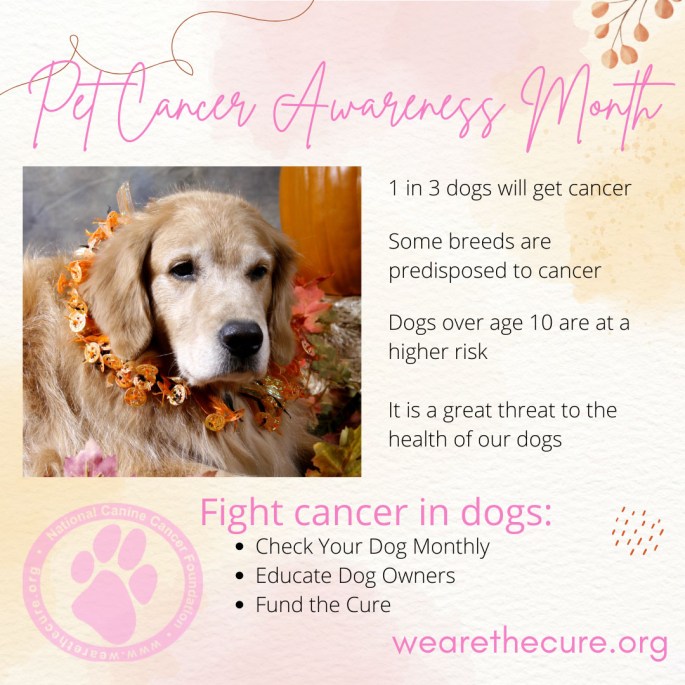

Even if both you and your pup fall in love with the sport, it can be rough on their bodies. Take the advice of instructors seriously and ensure you know how to teach an obstacle before letting your dog try it out.

Have fun! Agility was our home in the dog sports world for a long time. While there can be just as much drama there as in other areas of life, it was a mostly positive experience.

Sit Ubu sit, good dog!

Since January is National Train Your Dog Month, I want to dedicate this month’s posts to the different dog sports out there.

As always, these posts focus on my knowledge and experience of the sport. Consult the various links in the posts for more information.

First up, obedience and Canine Good Citizen!

What is it?

Obedience is probably the first thing that comes to mind when most people think of dog training. It’s following basic commands and your dog obeying those instructions.

Canine Good Citizen (CGC) is a skills test that is meant to show that your dog has good manners. To me, it’s a form of obedience, but where the end result is a certificate that shows that your dog has good matters, and you, in turn, are a responsible dog owner. I’ve been told that this can be helpful in getting acceptance for your dog with a landlord or similar situations. I’ve never had this need, so I don’t know how accepting people may be of the certification.

I’m sure there are more differences, but you can compete in different levels of obedience, whereas in CGC, there are different classes and test levels, but it’s not a competition. Simply pass or fail.

How we started

As a child, my mom trained Lady with basic commands. Somehow, we came across an obedience competition that I entered, and we did well. I have no clue if it was affiliated with the American Kennel Club (AKC). Aside from this one random competition from my childhood, we have never competed in obedience.

Me circa 1992 with my childhood dog, Lady, "competing" in obedience.
Me circa 1992 with my childhood dog, Lady, “competing” in obedience.

Cookie is the one who truly introduced us to the world of dog sports. It started with us taking her to a free (for a donation) obedience class at a shelter down the street from us. After a few sessions, our instructors suggested we upgrade to a paid AKC Star Puppy class. From there, we were introduced to a dog sports club that offered a range of classes, including Canine Good Citizen.

Cookie earned her Canine Good Citizen and Canine Good Citizen Advanced. Chip earned his Canine Good Citizen in November, though some of us suspect the evaluator graded on a curve.

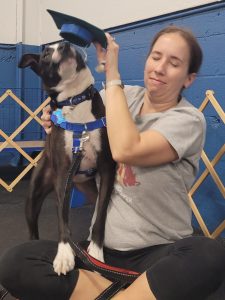
Chip's CGC graduation. Thankfully, the test didn't include wearing a graduation cap.
Chip’s CGC graduation. Thankfully, the test didn’t include wearing a graduation cap.

What they don’t tell you

If nothing else, the AKC is adept at making money. While you’re likely to always pay a fee to take the class and/or tests, to have AKC titles (obedience, CGC, or other sports) registered, you will have to pay.

Your dog must be registered with the AKC. Don’t worry if your pup isn’t a purebred. They have a program for mixed breeds.

The one thing that is truly fun about registering with the AKC is that they require a dog’s name to be unique. When I first registered Cookie and learned of this requirement, I searched the combinations of her name and our last names. Hyphenated versions of our last names were available, but that seemed boring. Thus, Cookie is officially Cookie Wookie. Then came Ziggy Kenobi, and Chip S. Ahoy. (This is also why you may come across some very long, crazy names the more involved you become in the dog sports world.)

Aside from registering your dog, if you want a certificate recognizing your title, you also get to pay for that. The AKC also allows you to purchase medals and ribbons showing your new titles. If you compete in obedience and title, I assume that the club sponsoring the event will provide ribbons (that is common practice in other sports).

The biggest lesson that I remember from our early days in obedience and CGC is that your dog will only be as good based on how much you practice. Your dog may heel and pass CGC, but if you never heel again, their obedience to the command will also suffer.

The bottom line

Whether or not you choose to compete, obedience is a great starting point. At a minimum, you should want your pup to respond to basic commands and behave. Even if your pup will be a homebody, they will need to venture out on occasion, be it for walks, vet appointments, or trips to the groomers. Having them understand basic commands will be invaluable for you and other caregivers.

Doggie New Year’s Resolutions

Whether it’s the pressure of society’s traditions or marking the end of a larger moment in time, many of us are motivated to form New Year resolutions. Last year was the first year that I formed resolutions for my pups.

Cookie and Chip’s resolutions were hopes that I had for what I would accomplish with each of them in 2023.

Resolution Tips

Any article about resolutions will give you advice that is applicable to all resolutions – keeping them realistic, achievable, etc. But there are three that are particularly important with your dogs.

First, keep it fun. Even if there’s a serious goal of improving behaviors (a la Chip), training should be fun – for both of you.

Second, consider your dog’s personality and interests. You may want to get them to jog with you, but if they don’t enjoy it or are not otherwise equipped for it, don’t do it! Make it YOUR resolution, not theirs.

Lastly, if the resolution is exploratory in nature like Chip’s trying new sports, be sure to monitor their response to it and adjust accordingly. Chip has a knack for barn hunt, and seemed to have fun. But, he refused to tunnel (a requirement to title beyond Instinct) and was difficult to leash up after his run. So, instead of just entering him in more trials, I’m going to take the time to try some training with it.

Similarly, I wanted to try nose work with him. After trying some initial training attempts after an unrelated class, he’s afraid of boxes. So whether or not we pursue anything will depend on whether I can help him overcome his fear.

Chip’s 2023 resolutions

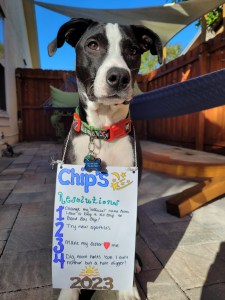
Chip posing with his 2023 resolutions last year.
Chip and his 2023 resolutions last year.

Chip’s resolutions were easy, considering he was a few days shy of six months old and still learning how to behave. Here are his resolutions (and subsequent outcomes):

Change [his] “official” name from Leave It Drop It No Chip to Good Boy Chip!

Result: Achieved! He’s not perfect, but we did five classes with him throughout 2023, culminating in earning his American Kennel Club’s Canine Good Citizen certificate.

Try new sport(s).

Result: Achieved! I hoped to introduce him to multiple sports this year, but we only managed one – barn hunt. While he earned his Instinct title, he has a lot to improve upon before competing in another trial. Hopefully, in 2024, we can try a barn hunt class to see if he stands a chance of competing again.

Make [his] sister ❤️ [him].

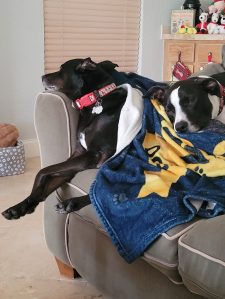
Result: Achieved! As evidenced by the below photo taken yesterday, Cookie let Chip snuggle with her for more than 10 seconds (it lasted several minutes!). Cookie is not particularly affectionate and usually relocates almost immediately after any attempt to snuggle with her. She is increasingly tolerant, and she even sometimes worries about him being left behind. Make no mistake, Chip is still an annoying little brother that Cookie needs a mental health break from on occasion. But she no longer wants to return him.

Cookie letting Chip snuggle with her on the sofa, December 2023.

Dig more holes ‘cuz [he] ain’t nothin’ but a hole digger!

Result: Much to his father’s dismay, achieved! This was clearly a silly resolution and one that we hoped wouldn’t come true. But Chip has a penchant for digging holes. We’re managing the behavior by limiting his time unsupervised in the yard and ensuring he has better outlets for his energy.

Cookie’s 2023 Resolutions

Cookie posing with her 2023 resolutions.

At the time, Cookie was eight, going on nine, years. Over the years, she’s taken road trips and competed in multiple sports. The perennial good girl, defining resolutions for her was more challenging.

Do more sports (at a senior pace).

Result: Achieved! Similar to Chip, I’d hoped to do more than one sport with her at a senior level, but we only made it to barn hunt. While she participated, she is clearly no longer interested in the sport. I may enroll her in a class with Chip just to see if she regains an interest by taking a formal class. This resolution, though, was more about doing stuff with Cookie. She’s always enjoyed classes and loves pleasing us. So maybe it will take the form of classes next year, or maybe just going out for fun activities like farmers’ markets.

Tolerate [her] brother more.

Result: Achieved! Cookie has always been pretty patient, but she’s truly embraced the role with Chip. She is even more likely to initiate play with him than she was a year ago.

Eat more homemade food.

Result: The jury is out on this one. I intended on putting a Christmas gift from last year to use by making homemade treats. For many reasons, I ended up not doing this. On the other hand, we replaced Cookie’s kibble breakfasts with gently cooked food. Technically, it’s not homemade, but it is fresh food and higher quality than her kibble.

Move upstairs without anyone noticing.

Result: Failed! Like Chip’s fourth resolution, this was meant to be a joke that she would fail at. Sometime early this year, Chip developed a fear of the upstairs, so it’s now Cookie’s refuge. When she needs an escape from him, she goes upstairs and either lays in the guest room bed or next to my husband when he’s in the office.

2024 resolutions

I’d hoped to share our 2024 resolutions in this post, but I haven’t decided on them yet. I’m still reflecting on what we achieved last year and where I hope the pups are a year from now.

Follow us on Instagram to see us reveal our resolutions in a few days!

Pawliday Activities

Those of us who consider our pups family members are eager to include them in holiday festivities – especially when you see other families, including their pups, in real life or on social media. But should you include them? And what are some great ways to include them?

Considerations

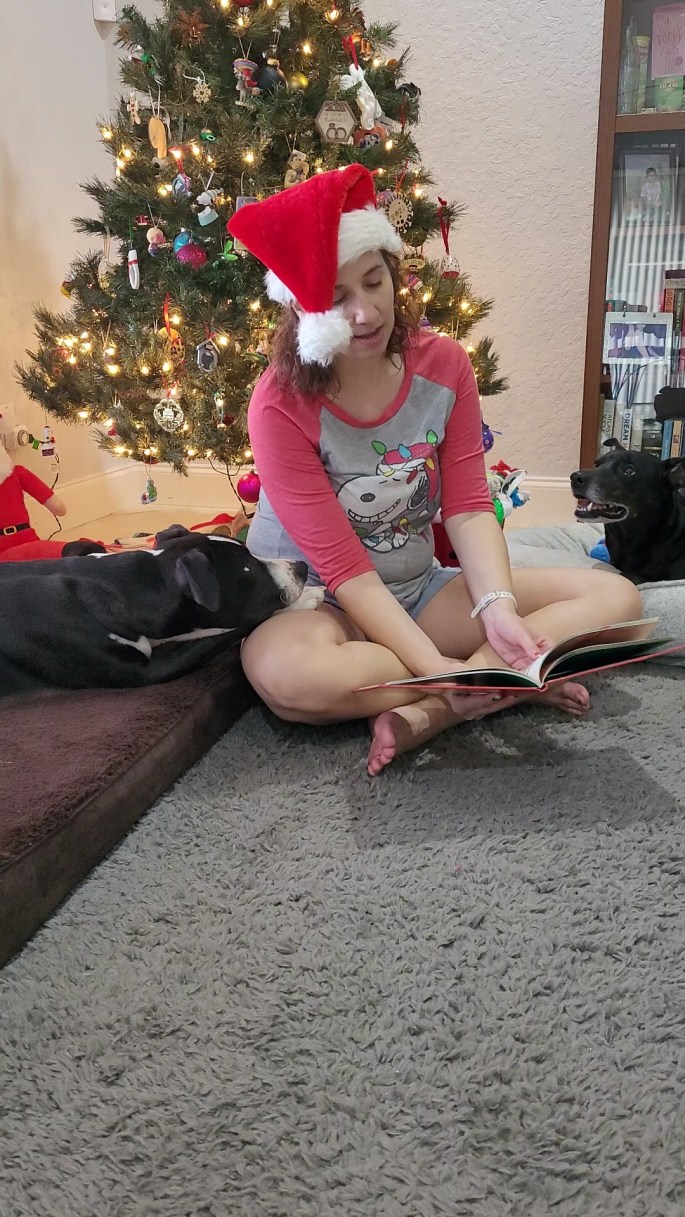
Chip and Cookie sitting in front of the Christmas tree, December 2023

The most important thing is to consider your dog’s personality, training, and preferences. Some dogs are social butterflies that thrive being around people and other dogs. Others, like Cookie, may enjoy going out but prefer limited interactions. Most importantly, while your dog may have the personality for it, will they behave around others?

These are important questions, particularly when contemplating social activities such as seeing Santa and attending holiday parties.

Beyond your dog’s preferences, consider the venue. An important note with Santa photos is that not every event with Santa is dog-friendly. Each year, there seem to be more events with dog-friendly opportunities to take a photo with Santa. Be sure to research in advance and plan accordingly. The Santas at these events are more likely to be dog lovers and have experience with various dog personalities.

Many community holiday events and happenings may be dog-friendly, especially outdoors, but check beforehand.

If you want to bring your pup to a family or friend’s holiday party, ask the host if your pup is welcome. Even if they are, consider the venue and personalities. Has your pup been there before? Is there a space for your dog to escape the crowd if they are overwhelmed? For outdoor events in warmer climates, is the yard fenced in? Will there be other dogs there, too? Have your pups met before? If not, and they don’t get along, how will you handle it? (Don’t assume that if the other pup is “trouble,” the other pawrent will leave or crate their dog.)

Hosting a party? Check out the below post from behaviorist Renee Rhodes on Instagram for great tips on prioritizing your pup’s needs when hosting.

Tips for helping your pup enjoy a holiday party

Advent calendar

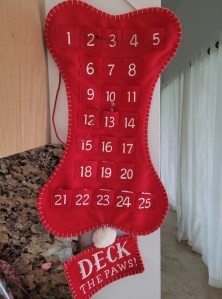
Anyone following us on Instagram may have seen us doing an advent calendar with the pups this year. I purchased the bone-shaped calendar on clearance after Christmas last year.

25 days of Christmas dog advent calendar
Our dog advent calendar

You can fill each pocket with an activity to do with your pups or insert a treat. Next year, I may alternate an activity day with a treat day!

Some activities that you can include are:

  • Having a pup cup
  • Making dog biscuits
  • Taking a photo with Santa
  • Christmas shopping
  • Having a howliday pawty
  • Watching howliday movies
Chip and Cookie with their Zippy Paws advent calendar in front of the Christmas tree, December 2023.
Chip and Cookie with their Zippy Paws advent calendar, December 2023.

Better yet, you can buy a pre-made advent calendar! After planning our custom advent calendar, I found the above advent calendar from ZippyPaws (https://amzn.to/47PdbdQ – I’m an Amazon affiliate and can earn from qualifying purchases).

I had to get it because Chip LOVES their burrow toys. So, since yesterday, we’ve also been opening up this calendar. There are also pre-made ones with treats. What I like about this ZippyPaws calendar is that it has toys (I haven’t seen many). Plus, the box seems sturdy enough that I can save it to reuse in another year, potentially mixing it up with toys and treats one day (toys for Chip and treats for Cookie) with an activity the next – plus, have a shorter advent season!

‘Tis the season

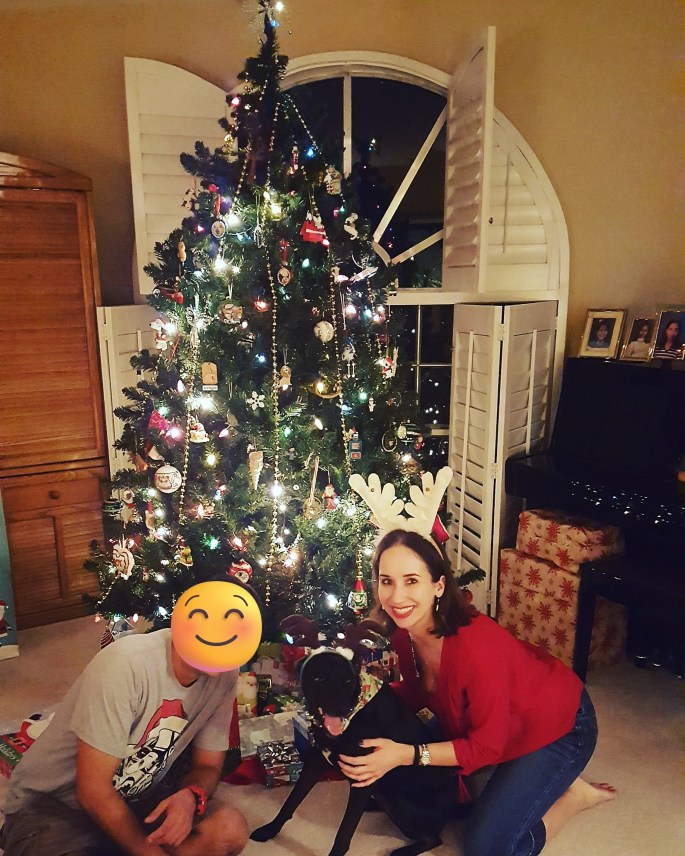
Santa photo with Cookie and Chip, 2023

The bottom line is to remember your pup’s preferences and to HAVE FUN no matter what you do (or don’t do).

We wish you happy howlidays! I’ll be back in two weeks with the next new post!

Merry Woofmas!

Gift Giving for Your Pups & Dog Friends

‘Tis the season for gift giving. If you’re like us, you include your pups (and those of your family) in holiday gift exchanges. And, you’re likely to appreciate receiving dog-themed gifts and gifting those to your fellow dog parent friends.

Gifting your pups

Cookie enjoying a gift, Christmas 2014

The most important part of gifting your pups is to consider their personalities. Like us, their interests may change as they get older.

Once upon a time, Cookie enjoyed getting toys as presents. Now, all she wants is food. So we ensure Santa Paws leaves a treat or a chew for Cookie. Chip enjoys the food, but he also LOVES toys.

If you have amassed an insane toy collection (as we have), keep some out of rotation. So, come Christmas, we save a large box and fill it with new-to-Chip toys that we will swap out with some of the toys he’s currently playing with. He may still get something new, but since the chaos of opening gifts is half the fun, we like to do this to bring joy without breaking the bank.

The holidays can also be a good time to refresh some of their staples, like upgrading their bed (or adding to the beds scattered in each room), harnesses, or collars.

We took advantage of Ruffwear‘s (I’m an Amazon affiliate and may earn based on qualifying purchases) Black Friday sale and purchased new harnesses for Cookie and Chip. We love these harnesses because they’re among the few brands that ensure a proper fit (hooking further down the body) without constricting shoulder movement. The Flagline model (I’m an Amazon affiliate and may earn based on qualifying purchases) also has a top handle that can be handy if you need to aid your pup in getting in/out of the car (or navigating a hike for the more adventurous). They have a back and front clip for the leash. Ruffwear harnesses are also great for tripawds since they go over the head and clip in the back – no balancing is needed like with step-in harnesses.

The pups have an extensive collar collection, but I can’t help buying a new one or two whenever 5 Dog Designs opens their Etsy shop. Their collars are cute, funny, and high quality. They have great BOGO deals (part of the reason we have so many) and even have a “recycling” program. I haven’t taken advantage of that yet, but I have a collar in mind to swap the next time they re-open.

Gifting Pawrents

Cookie and Chip posing with one of my gifts, Christmas 2022

Like gifting your pups, it’s important to know your dog-loving friends. If you’re gifting their pups, it may be harder to know what to get them if you don’t know their pawrenting habits.

For instance, pawrents are becoming more particular about the quality of treats they feed their pets. Be cautious about purchasing highly processed treats (commonly found in major pet retailers). Instead, look for high-quality, small-batch, single-ingredient treats.

Similarly, when it comes to toys, do you know their personalities? Some dogs destroy toys just by looking at them or tend to chew off certain parts that can become a hazard.

A safe bet can always be a gift card to independent pet stores or retailers like Chewy and Amazon, with a broad product selection. Dog-themed clothing, mugs, etc., are always welcome. Even if you think they have too much, we’ll always disagree. Great retailers on this front include I’d Rather Be With My Dog, Dog is Good, Teddy the Dog, and Life is Good. (You can find similar products at discount retailers such as Home Goods and TJ Maxx.)

Joy of the Season

Cookie and Ziggy by the tree, Christmas 2019

Giving presents to the dog pawrents, or their pups, in your life can be a challenge. Most pawrents would also appreciate donations to rescue groups or charities that are meaningful to them.

We are fortunate to be able to afford gifts for our pups (and ourselves). And while we don’t need gifts, some folks insist on gifting us. Donations (monetary or otherwise) to the rescues where we adopted our pups (e.g., A Second Chance Puppies and Kittens Rescue, Barking Outloud) or to those fighting canine cancer (e.g., National Canine Cancer Foundation) are also appreciated.

Happy Howlidays to you!

Paying for cancer treatment

Last week, in anticipation of Thanksgiving, I wrote about what I’m grateful for in our canine cancer journey. Following the shopping “holidays” of Black Friday and Cyber Monday, what better than a post about affording cancer treatment?

What will it cost?

Photo by Kindel Media on Pexels.com

No one can accurately estimate what treatment will cost because it’s determined by many factors. First is the kind of treatment you’re choosing. Surgery, chemotherapy, supplements, radiation, or some combination of those will all affect the costs.

Second is where you live and your options. Like everything, where you live influences the cost of services. Similarly, suppose you want to pursue treatments that your veterinarian doesn’t offer (e.g., chemotherapy or radiation), and specialists are hard to come by in your area. In that case, you may choose to travel for treatment. That will add in another layer of costs – travel expenses.

Third is for how long you are treating your fur baby. Ziggy lived 17 months post-diagnosis. He had surgery, six rounds of traditional chemo, and then went on a low-dose at-home chemo pill. Our oncologist advised that the standard protocol for the at-home chemo is six months. It was safe to continue on it long-term, so we kept him on it until the end. When a mass was found on his spleen, we were going to attempt traditional chemo once again (a different protocol), but Ziggy’s health took a turn before we could continue.

Meanwhile, Cookie had a total of three surgeries in two years and is on the low-dose at-home chemo. She has been on it for nearly seven months and counting.

Not counting supplements, we have spent about half of what we spent (out of pocket) on Ziggy on Cookie so far.

More details about what affects the cost of treating cancer can be found in this DogCancer.com article or this DogCancer.com podcast episode.

Insurance

One reason we can choose ongoing treatment for our pups is through pet insurance. Each time we bring home a pup, the first thing we do is to sign them up for pet insurance. I plan to dedicate a post to insurance, but my key bits of advice:

  • Get it early, before health issues arise. Pre-existing conditions are real!
  • Choose the highest maximum annual coverage. Increasing it later on will constitute a new plan and any health issues previously found may be considered a pre-existing condition – even cancer.

Financing

Photo by Pixabay on Pexels.com

Almost everything that we pay for out of pocket we use Care Credit. Yes, it’s a credit card, but it offers no interest financing for at least six months for purchases over $200.

Like any other purchase, you should spend within your means. The benefit of the financing options allows you to spread the cost over time instead of taking a huge hit all at once.

The veterinarians you visit must accept Care Credit as a payment option. Every practice we have been to (at least four in the last three years) accepts Care Credit. What varies by practice is the number of months of financing that they offer. Some only offer six months, while others offer up to 24 months.

Some practices with multiple options would give us the choice of how many months to finance, while others would choose for us based on the amount of our invoice.

Since applying for Care Credit, we were “upgraded” to a MasterCard option, allowing us to earn points on purchases at Care Credit practitioners and other retailers. You can redeem the points for gift cards or statement credits. We apply the points as statement credits to lower the cost of the vet bills that we pay out of pocket.

Read this DogCancer.com article about Care Credit, or visit their website for more information.

Other options

There are other options for paying for treatment that I don’t have first-hand experience with but have read about.

One option is clinical trials. You’ll most likely need to live within travel distance of a veterinary college. There are pros and cons to participating in a clinical trial. While you may get free treatment, there’s a risk that instead of treatment your dog gets a placebo. That may be a worthwhile risk if that’s your only option for affording care. It’s important to note that costs of care may not be covered by the trial, so it’s worth doing your homework before enrolling.

Another option is to look into organizations that may offer grants or other types of financial aid to cover the costs of cancer care. This DogCancer.com article overviews some of the organizations that provide financial aid.

For additional advice, listen to this DogCancer.com podcast episode, where one dog racked up $60,000 in vet bills, or this episode highlighting creative solutions and difficult conversations.

Final tips

My top recommendations from personal experience are to sign up for pet insurance and research whether Care Credit is right for you.

When discussing treatment options with your veterinarian, discuss the cost and your financial situation. They can provide estimates for the treatment so you can research payment options and consider them when choosing what treatment is right for your pup.

Discussing your financial situation with your veterinarian may enable them to offer alternative diagnostics or treatments or even share discounts that their practice offers (e.g., a multi-pet discount).

Bottom line: Don’t assume that care is out of financial reach without getting written estimates from your vet and researching options to help offset the costs.

What I’m thankful for

It’s the season of gratitude, and while we’re in a stable spot on our canine cancer journey, I’m reflecting on what I’m thankful for in how we experienced canine cancer.

The Pandemic

The pandemic was a source of fear, stress, and anxiety for all of us. But without it, I wouldn’t have been working from home and able to catch Ziggy’s limp. It’s impossible to know whether we would have caught the cancer as early as we did without the pandemic, but catching Ziggy’s cancer early was certainly a critical factor in his survival time.

The first dog

Ziggy the happy patient after his last traditional chemo treatment, April 2021.
Ziggy, the happy patient, after his last traditional chemo treatment in April 2021.

I absolutely HATE that Ziggy was diagnosed with cancer and amputated a leg before his second birthday. It kills me that he died shortly after his third birthday. But I am grateful that he was the one to lead us on the cancer journey.

Ziggy was the best patient. He always smiled when going to the vet (which was a near-constant occurrence once he was diagnosed). He easily adapted to the tripawd life and showed us what resilience is. Ziggy’s pawsitive attitude and resilience made it easier for us to make treatment decisions and to figure out ways to maximize his quality of life.

Seeing how well he responded (physically and emotionally) to these challenges gives us the strength to make the best decisions for every other dog.

The unexpected prognosis

When we at long last learned that Ziggy’s cancer was hemangiosarcoma, we were devastated and afraid because of how short that prognosis tends to be. He was already three months post-diagnosis when we confirmed the type of cancer. We were incredibly fortunate to have 17 months with him post-diagnosis.

It would never be enough time, even if he’d lived to age 10. This success with cancer treatment not only softened the devastation of losing a pup so young but also gave us an optimistic lens when confronting the cancer journeys of subsequent pups.

Cookie’s Simpler Journey

Cookie recovering from surgery April 2023.
Cookie recovering from surgery in April 2023.

When I first found Cookie’s lump on her leg in July 2021, my heart sank. How could we handle a second dog with cancer? Why is this happening so close to Ziggy? Given their age difference, it should have been unlikely.

While the prospect of two dogs with cancer simultaneously sucked, I’m grateful that Cookie’s cancer (soft tissue sarcoma) was less serious and more easily treated. She’s a terrible patient and tries to find a new family after each surgery, which are two reasons why I’m relieved that she hasn’t needed traditional chemo or radiation.

Veterinary Staff

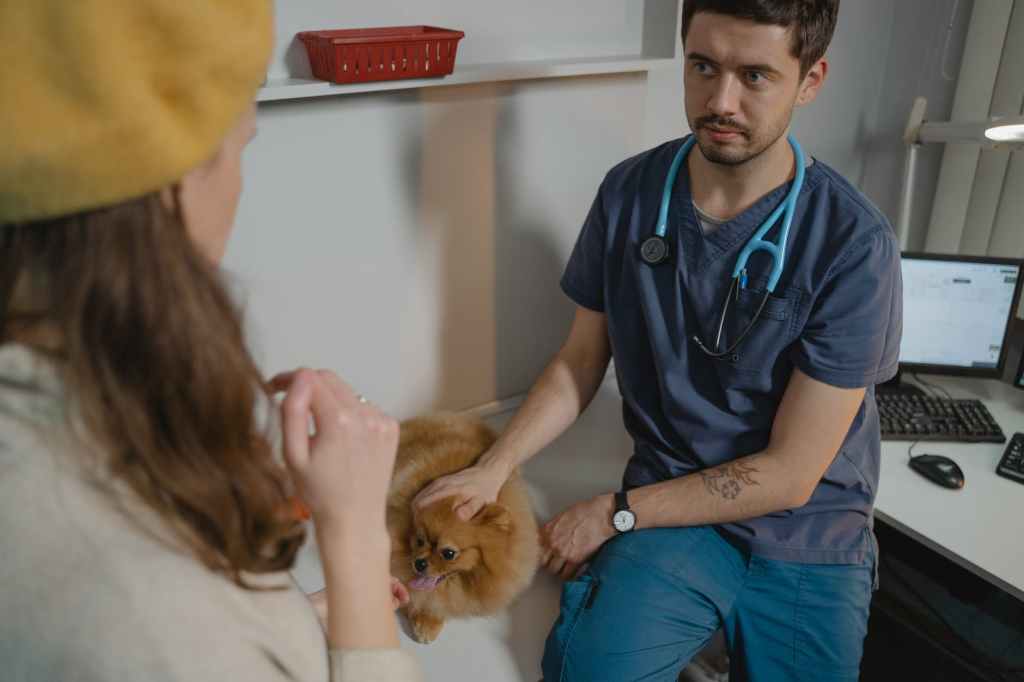
Photo by Mikhail Nilov on Pexels.com

We’re fortunate to have an amazing holistic veterinarian, his patient and compassionate staff, a terrific veterinary oncologist, and the oncology care team to help keep our pups healthy.

Lessons Learned

I would never wish this on anyone, but this journey has taught me a lot. Sometimes, it seems like common sense (e.g., fresh food is better than processed kibble); everything I’ve learned helps to improve the care for Cookie, Chip, and any other dog that comes along. There’s plenty more that I could (or want to) be doing, but I do the best that I can right now. And I look for opportunities to make improvements wherever and whenever I can.

All the sources that have taught me about healthcare have exposed me to other resources, such as trainers. Exposure to more perspectives in all areas helps me be a better dog pawrent. It’s helpful when encountering new challenges, such as an anxious and sometimes reactive Chip.

Every day Gratitude

Most importantly, these cancer journeys are reminders to say yes to the pups as much as possible. To take them out for activities that bring them joy (like Cookie’s recent beach day and slide escapades). To let Chip lay on me a little longer in the mornings before getting ready for work. And appreciate all the time we are given because you never know when it will end.

Cookie’s Cancer Journey

Cookie’s cancer journey is less dramatic than Ziggy’s, but it’s scary in its own right.

How it began

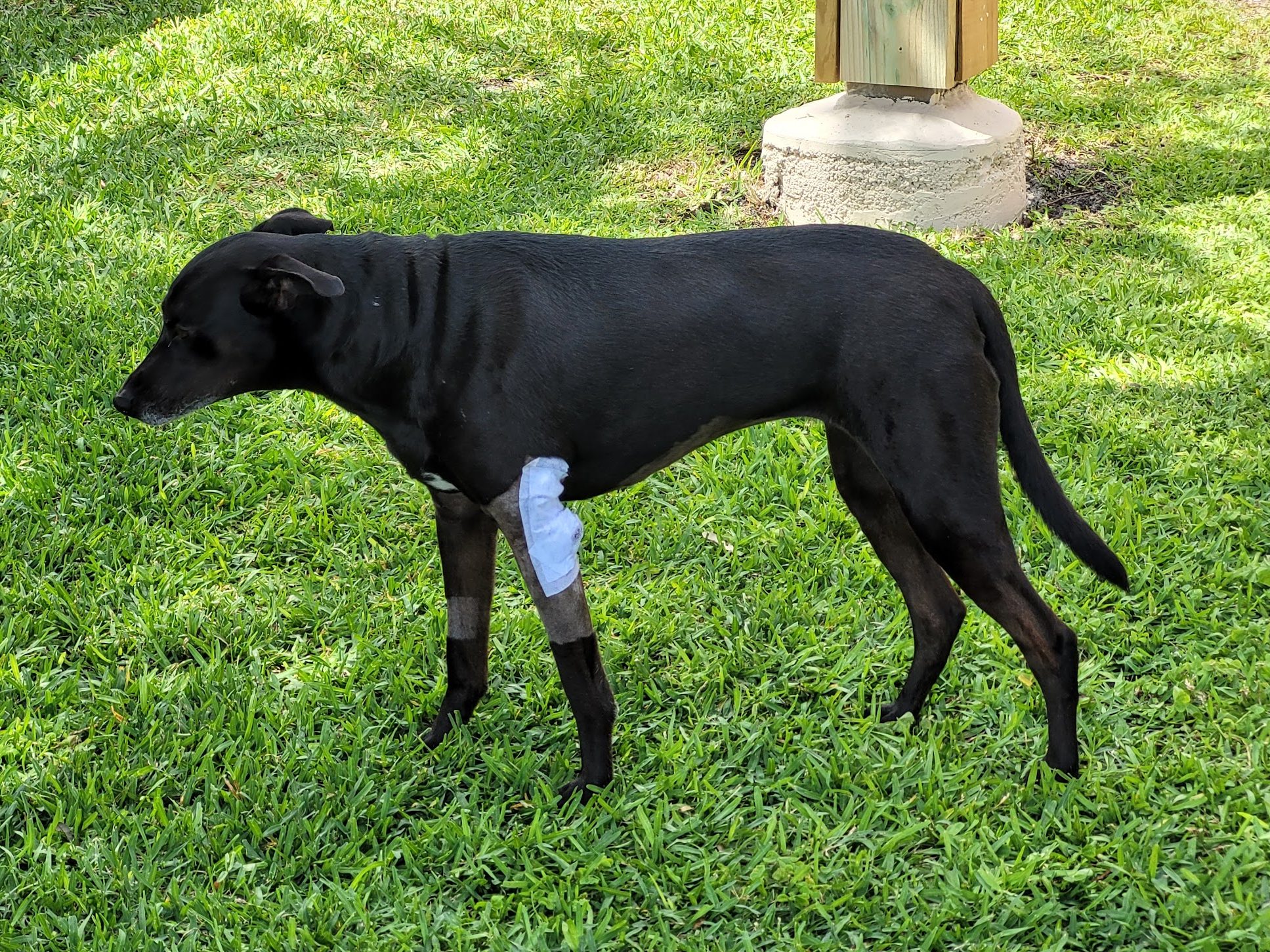
In July 2021, nine months after Ziggy’s diagnosis, I spotted a decent-sized lump on Cookie’s front left leg, right by her elbow. It shocked me because of its size – that of a very large grape. I was surprised that I hadn’t noticed it sooner. We monitored it for a few weeks before scheduling an appointment with our vet in early August.

Though the vet felt confident that it was benign, I know from Dr. Sue Cancer Vet, that no one could tell whether a lump is benign or cancerous. So we aspirated. It was inconclusive.

Unsure about aspirating again to get another inconclusive result, we scheduled a consult with Ziggy’s oncologist. He was concerned that it may be a soft tissue sarcoma. He recommended surgery to remove and biopsy the lump.

Our primary vet did the surgery and opted for conservative margins. Given the location, he was worried about healing if the margins were too aggressive and it turned out to be benign.

Cookie's front left leg showing the suture site after her initial surgery.
Cookie’s suture site after the initial surgery.

Sure enough, the biopsy confirmed a low-grade soft tissue sarcoma. It required a revision surgery to get full margins.

Cookie’s surgeries were outpatient surgeries with an easy recovery. But each time I picked her up, she tried to leave with another family! And she gave me the cold shoulder for 24 hours. She’s a pretty different patient compared to Ziggy.

Cookie sitting on a bench at the vet, ready to leave before having her revision surgery.
Cookie was ready to leave before her revision surgery.

Cookie didn’t require further treatment, but we did chest X-rays every few months as a precaution. She was probably already on the same diet as Ziggy, but we added some supplements to improve her care.

Oops, it happened Again

In March 2023, a year after Ziggy passed, I saw the same lump in what seemed to be the exact same spot. We again did an aspirate, which indicated the lump was likely cancerous.

This time, our vet recommended a consult with a board-certified veterinary surgeon. He was concerned about the difficulty of the surgery, given it would be round three in nearly the same spot.

The surgeon wanted us to consult with the oncologist before proceeding with the surgery. In her written report, she was concerned about the ability to get full margins and indicated that amputation may be the best approach for a curative result.

The possibility of a front leg amputation on our first furbaby, an agility athlete, gutted us. My husband was immediately against the possibility. I also wanted to be, but I wanted to hear what the oncologist had to say – what the different prognoses may be with different treatment options.

Fortunately, the word amputation never came up with the oncologist. He said the lump was technically not in the same spot, so it wasn’t a recurrence, and removal would be curative.

We did the surgery, got clear margins, and also removed a giant lipoma from her other side. Cookie did well, but this was a slightly harder recovery for her as she’s a little older, had surgery on both sides of her body, and had a younger brother to contend with during her recovery.

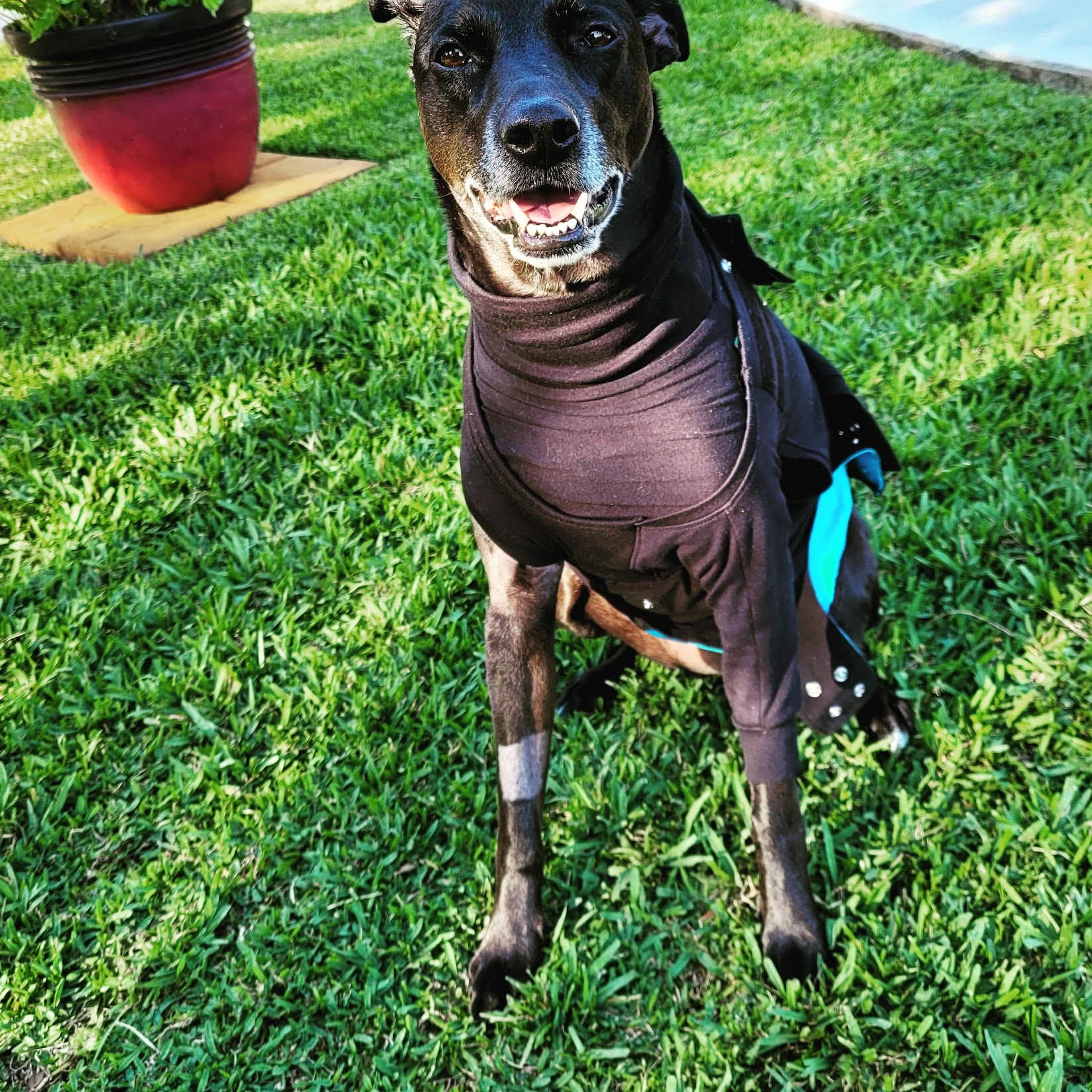
One product I highly recommend is a surgical suit or recovery sleeve (I’m an Amazon affiliate and can earn on qualifying purchases). Since Cookie had the lump and lipoma removed on either side of her body, she wore both to protect the suture sites and remained cone-free until the sutures were removed. It’s wise to get more than one to swap them out while washing one.

Ongoing treatment

Cookie, fully recovered, is judgmental about the fake corn maze in Florida.

Our oncologist gave us the option of putting Cookie on chlorambucil, a low-dose at-home chemo treatment, to reduce the likelihood of recurrence for ongoing treatment. Typically, pawrents opt for six months of treatment as it is the standard of care and for financial reasons. We’re fortunate to be able to afford to continue her on the chlorambucil. It’s a chemo that is safe for her to take longer, especially since she’s tolerated it well. We check in with the oncologist every two months and will do chest X-rays every six months or so.

F*ck. My dog has cancer

I’m so sorry to hear that. Cancer sucks. Here’s my advice on what to do based on my experience.

Feel your emotions

Photo by Sofia Alejandra on Pexels.com

Whether your furbaby is old or young, showing symptoms or not, the cancer diagnosis is likely to feel like a punch to the gut. There’s no right or wrong set of emotions to feel. You may be sad, angry, anxious, or afraid. Allow yourself the grace to feel your emotions.

Don’t try to suppress your emotions. It will only blow up later. Do try to process them away from your furbaby if possible. I know it may be hard, but they pick up on our emotions, and you want to minimize them picking up on the anger, sadness, or fear, which can increase their stress.

When dealing with Ziggy and Cookie’s diagnoses, Ziggy’s especially, we bawled, cursed, and screamed. We did our best to have the worst of our breakdowns away from the pups to minimize their stress. It’s not always easy or possible, but do what you can.

Take action

Photo by Tima Miroshnichenko on Pexels.com

Once you’ve taken a beat to digest the news and process your emotions, it’s time to take action. That can look like many different things, depending on many factors.

You may want to consider a second opinion, which may come in the form of a specialist (i.e., a veterinary oncologist) or simply another vet. We did both with Ziggy because of his young age and our hope for a less traumatic diagnosis. Additionally, it was a few weeks before the oncologist could see us, so a second opinion with another vet was a good checkpoint while we waited for the oncology consultation.

I highly recommend a consultation with a veterinary oncologist. They’re more likely to be able to give you a range of treatment options, give you information on a prognosis, and other important details. If there isn’t a veterinary oncologist near you, you may be able to do a virtual consult (thanks, pandemic!) or at least have your primary vet consult with one.

On the American College of Veterinary Internal Medicine’s website, you can search for a specialist using their “find a specialist” search tool.

Learn More

Being human isn’t easy these days, and you may not have the privilege of time to do so, but I strongly encourage you to do what you can to learn more. Beyond the conventional treatments (surgery and chemo), most of the additional treatments that we started for Ziggy and Cookie (e.g., supplements, home-cooked foods, etc.) are ones found through DogCancer.com‘s resources.

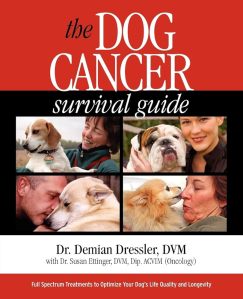
The Dog Cancer Survival Guide (I’m an Amazon affiliate and may earn based on qualifying purchases) is my top recommendation. They present many treatment options that vary in cost and time intensiveness. They also have short podcast episodes, though I recommend selectively listening to topics of most interest to you based on your dog’s journey. Their Facebook support group can also be a source of comfort from fellow pawrents who you may relate to better than your family and friends.

Be your pup’s advocate

No one knows your pup better than you. If something doesn’t feel right, don’t do it. Consult with experts and others who have been through something similar, but remember the key difference: you and your dog.

You know your situation best. I do encourage you to explore and consider various options. That may include aggressive conventional treatment, hospice care, holistic treatments, or a little bit of each at different points in your journey. Everything from your pet’s age, cancer type/stage, and personal circumstances (i.e., financial ability, time constraints, etc.) will influence your decisions.

Treatment can add up financially, but there may be options to help with the costs. I plan to write about the tools we use to help manage expenses, but there are more options out there that I urge you to explore.

Dogs don’t have expiration dates

Don’t let anyone tell you that your pup only has a certain amount of time left. I’ve heard this repeated countless times with the DogCancer.com community – dogs don’t have expiration dates. Your vet or oncologist may tell you that with or without treatment, your dog has an average of N days/weeks/months. But that is an average that doesn’t include your dog.

Hemangiosarcoma is one of the most aggressive canine cancers. When Ziggy was diagnosed, we feared he may only have a few months. He lived 17 months post-diagnosis.

My parents’ dog, Brie, went to the emergency vet one night after collapsing (due to internal bleeding). She wasn’t supposed to survive the night, but my parents took her home when she returned to her usual self. Brie lived five months after that. While never officially diagnosed with cancer, based on what I learned about hemangiosarcoma, I suspect that’s what she had. With no treatment, she lived five more months being spoiled with all kinds of yummy food and love. The emergency vet suggested they could do surgery, but there was a possibility that she wouldn’t survive. My parents opted to take her home and forego treatment.

Ziggy coming home after his splenectomy.

What is right for one pup and one family may not be right for another. Even within one family, you may make different decisions for different dogs. Ziggy was young, and he was an EXCELLENT patient, going to the vet with a smile on his face. Cookie and Chip aren’t as easygoing as patients. That may factor into what options we choose for them.

Ask for help

Being human is hard. Being human while caring for a sick pet is harder. Whatever path you choose, ask for help. It may not be caring for the sick furbaby, but it may be helping with other stuff so that you can care for your furbaby.

Cherish every day

Ziggy enjoying a stroll in Key West 7 months after his amputation.

Most important: cherish each moment with your furbaby. We should do this every day, even when they’re healthy, and with all of our loved ones. But being human is hard, and sometimes we get caught up in the little things that don’t matter.

When they’re sick, regardless of what treatment path you choose, prioritize their quality of life. Do what you can to do more of what makes them happy. You won’t regret it.