F*ck. My dog has cancer

I’m so sorry to hear that. Cancer sucks. Here’s my advice on what to do based on my experience.

Feel your emotions

Photo by Sofia Alejandra on Pexels.com

Whether your furbaby is old or young, showing symptoms or not, the cancer diagnosis is likely to feel like a punch to the gut. There’s no right or wrong set of emotions to feel. You may be sad, angry, anxious, or afraid. Allow yourself the grace to feel your emotions.

Don’t try to suppress your emotions. It will only blow up later. Do try to process them away from your furbaby if possible. I know it may be hard, but they pick up on our emotions, and you want to minimize them picking up on the anger, sadness, or fear, which can increase their stress.

When dealing with Ziggy and Cookie’s diagnoses, Ziggy’s especially, we bawled, cursed, and screamed. We did our best to have the worst of our breakdowns away from the pups to minimize their stress. It’s not always easy or possible, but do what you can.

Take action
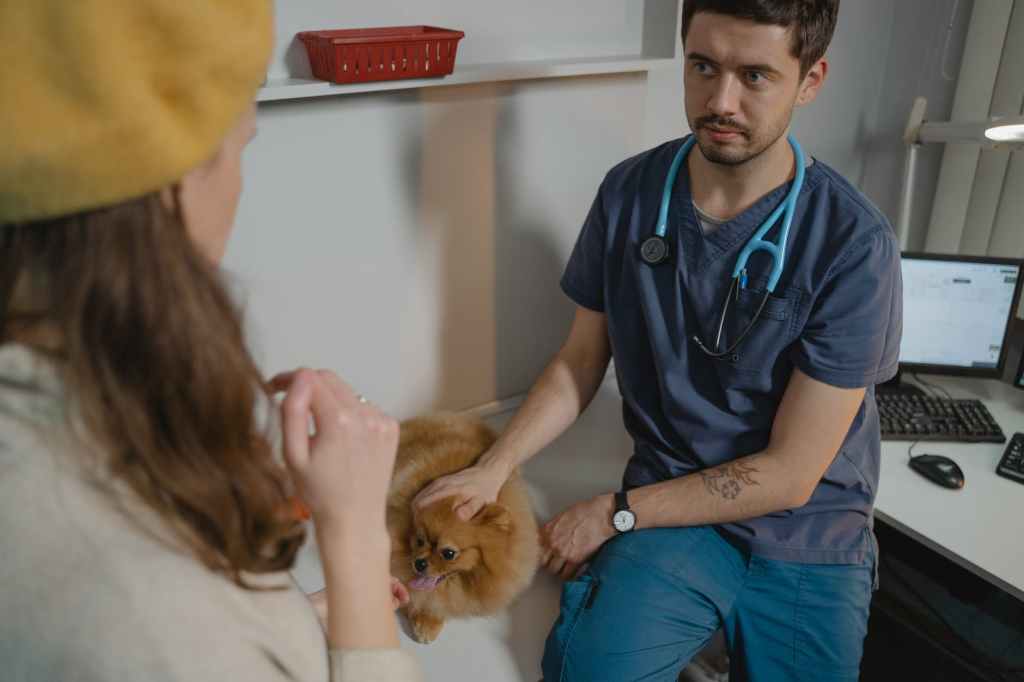
Photo by Tima Miroshnichenko on Pexels.com

Once you’ve taken a beat to digest the news and process your emotions, it’s time to take action. That can look like many different things, depending on many factors.

You may want to consider a second opinion, which may come in the form of a specialist (i.e., a veterinary oncologist) or simply another vet. We did both with Ziggy because of his young age and our hope for a less traumatic diagnosis. Additionally, it was a few weeks before the oncologist could see us, so a second opinion with another vet was a good checkpoint while we waited for the oncology consultation.

I highly recommend a consultation with a veterinary oncologist. They’re more likely to be able to give you a range of treatment options, give you information on a prognosis, and other important details. If there isn’t a veterinary oncologist near you, you may be able to do a virtual consult (thanks, pandemic!) or at least have your primary vet consult with one.

On the American College of Veterinary Internal Medicine’s website, you can search for a specialist using their “find a specialist” search tool.

Learn More

Being human isn’t easy these days, and you may not have the privilege of time to do so, but I strongly encourage you to do what you can to learn more. Beyond the conventional treatments (surgery and chemo), most of the additional treatments that we started for Ziggy and Cookie (e.g., supplements, home-cooked foods, etc.) are ones found through DogCancer.com‘s resources.
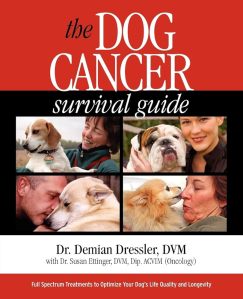
The Dog Cancer Survival Guide (I’m an Amazon affiliate and may earn based on qualifying purchases) is my top recommendation. They present many treatment options that vary in cost and time intensiveness. They also have short podcast episodes, though I recommend selectively listening to topics of most interest to you based on your dog’s journey. Their Facebook support group can also be a source of comfort from fellow pawrents who you may relate to better than your family and friends.

Be your pup’s advocate

No one knows your pup better than you. If something doesn’t feel right, don’t do it. Consult with experts and others who have been through something similar, but remember the key difference: you and your dog.

You know your situation best. I do encourage you to explore and consider various options. That may include aggressive conventional treatment, hospice care, holistic treatments, or a little bit of each at different points in your journey. Everything from your pet’s age, cancer type/stage, and personal circumstances (i.e., financial ability, time constraints, etc.) will influence your decisions.

Treatment can add up financially, but there may be options to help with the costs. I plan to write about the tools we use to help manage expenses, but there are more options out there that I urge you to explore.

Dogs don’t have expiration dates

Don’t let anyone tell you that your pup only has a certain amount of time left. I’ve heard this repeated countless times with the DogCancer.com community – dogs don’t have expiration dates. Your vet or oncologist may tell you that with or without treatment, your dog has an average of N days/weeks/months. But that is an average that doesn’t include your dog.

Hemangiosarcoma is one of the most aggressive canine cancers. When Ziggy was diagnosed, we feared he may only have a few months. He lived 17 months post-diagnosis.

My parents’ dog, Brie, went to the emergency vet one night after collapsing (due to internal bleeding). She wasn’t supposed to survive the night, but my parents took her home when she returned to her usual self. Brie lived five months after that. While never officially diagnosed with cancer, based on what I learned about hemangiosarcoma, I suspect that’s what she had. With no treatment, she lived five more months being spoiled with all kinds of yummy food and love. The emergency vet suggested they could do surgery, but there was a possibility that she wouldn’t survive. My parents opted to take her home and forego treatment.
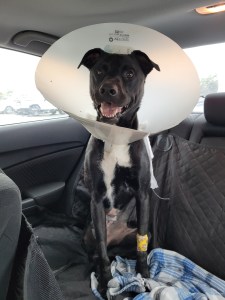
Ziggy coming home after his splenectomy.

What is right for one pup and one family may not be right for another. Even within one family, you may make different decisions for different dogs. Ziggy was young, and he was an EXCELLENT patient, going to the vet with a smile on his face. Cookie and Chip aren’t as easygoing as patients. That may factor into what options we choose for them.

Ask for help

Being human is hard. Being human while caring for a sick pet is harder. Whatever path you choose, ask for help. It may not be caring for the sick furbaby, but it may be helping with other stuff so that you can care for your furbaby.

Cherish every day
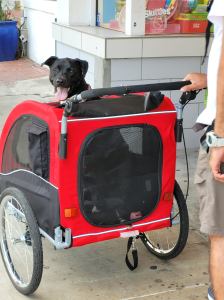
Ziggy enjoying a stroll in Key West 7 months after his amputation.

Most important: cherish each moment with your furbaby. We should do this every day, even when they’re healthy, and with all of our loved ones. But being human is hard, and sometimes we get caught up in the little things that don’t matter.

When they’re sick, regardless of what treatment path you choose, prioritize their quality of life. Do what you can to do more of what makes them happy. You won’t regret it.
Lessons from Ziggy

Though Ziggy was our second dog, he has been my greatest teacher so far. Here are just some of his lessons.

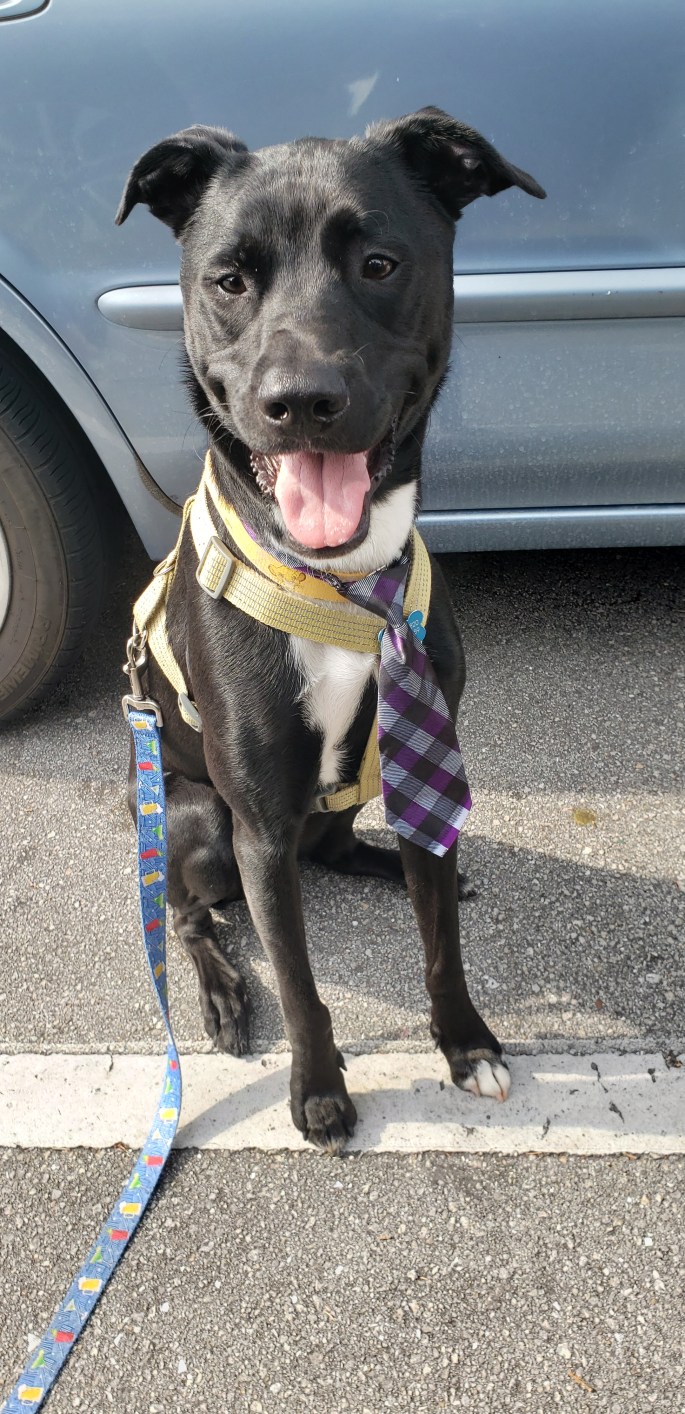
Ziggy sporting a tie

You’re their Advocate

Regardless of whether you view yourself as a pawrent, owner, or guardian, you’re definitely their advocate. They cannot voice their feelings, desires, or opinions. Living with them day in and day out, you know them best. Sure, you rely on experts (e.g. vets, trainers, groomers, etc.) to help care for them, but you can choose what advice to follow.

With Ziggy, I had two memorable experiences as his advocate.

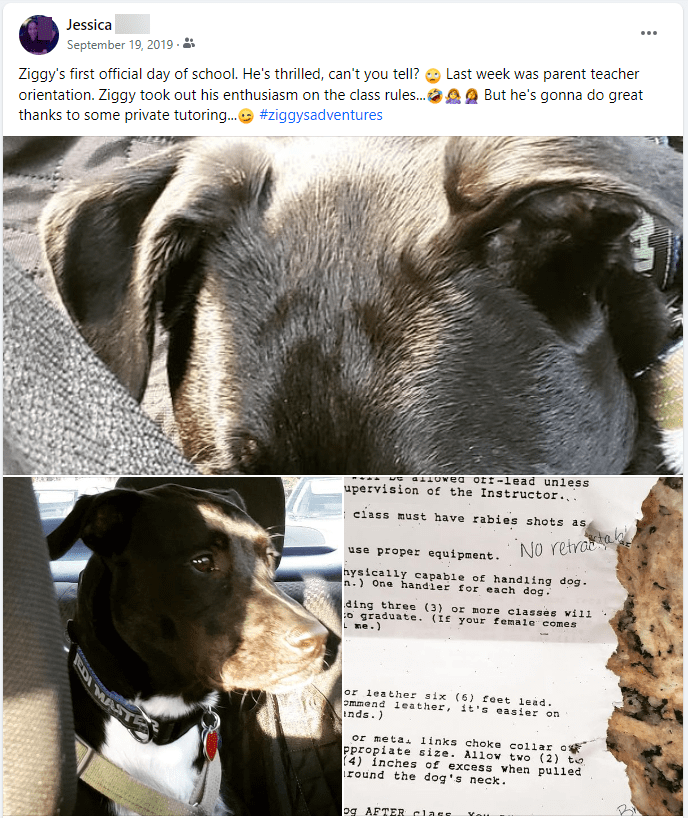
The first was with a trainer. We wanted to take Ziggy to the same place we trained Cookie, but unfortunately, they weren’t offering classes at the time. I signed up for a training class through a community education program offered by the school district.

The first week was a dog-free class to go over the class policies. I got a bad feeling but decided to give her a shot. I should have trusted Ziggy’s opinion when he chewed part of her class policies.

Facebook post in 2019 en route to his first class.
Chewed-up policies on the bottom right.

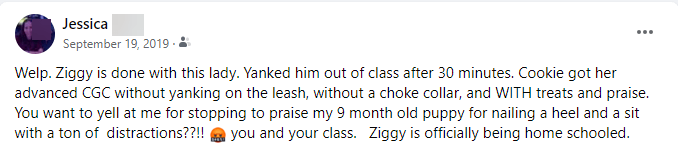
I followed a friend’s advice to listen to the perspective but do things the way you know better. In the first week with Ziggy, we had to all walk in a circle, spaced apart to practice heel / loose leash walking. Ziggy wasn’t quite getting it with her method. I stepped a bit out of the circle so as to not get in anyone’s way and proceeded to teach him the way we taught Cookie. He nailed it. I stopped to praise my nine-month-old puppy. I was yelled at. I yelled back that her methods were outdated and unnecessary (lots of punishments and corrections). I stormed out of the class never to return again.

Facebook post in 2019 post Ziggy's class that I yanked him out of.

During Ziggy’s cancer journey, we switched vets a couple of times. The second time was when I was trying to talk to the vet about switching Ziggy to a home-cooked diet from The Dog Cancer Survival Guide (paid link). He made a few remarks that showed he wasn’t really looking at it, but when he said “Ziggy’s doing great. You don’t need to do anything else,” I knew it was time to find another vet.

I was coming to him with stuff that I wanted to explore and try. He shut me down, and that wasn’t the attitude we wanted on Ziggy’s care team.

Bottom Line: If it doesn’t feel right to you, don’t do it, get another opinion, or at the very least question it. You are their advocate. No one knows them better than you.

Every dog is different

Ziggy and his "crooked" sit.
Ziggy and his “crooked” sit.

A trusted friend and dog trainer (the same one with the advice above) had to beat this one in my head. Whenever we’d talk about Ziggy, often about training matters (like his “crooked” sits), I would compare Ziggy to Cookie. She said this one to me REPEATEDLY.

I don’t have good anecdotes for this one, but when you struggle to teach one something the same way you taught another, remember this. When one seems to like something that the other hated, remember this.

Bottom line: Dogs are as unique and different as we are. Remember that in all aspects of your relationships with them (especially in training), and adjust accordingly.

Trust your gut

Since dogs can’t tell us when something is wrong, they don’t feel well, or they are in pain, it’s up to us to make observations and take action. It’s easy to brush aside some symptoms we see – especially if you’ve overreacted once already or you simply don’t know that a behavior is actually a symptom. But this is where a health journal can come in handy.

When I first noticed Ziggy’s limping, we initially took a rest and wait-and-see approach. We went that route in part because as a puppy we rushed Cookie to an emergency vet thinking she injured a paw (she was walking on it by the time the vet saw her).

After a week or two of observation and no improvement, we made the call to go to the vet. Watching him like a hawk is what led to his early diagnosis.

The symptom of Ziggy’s cancer was incredibly subtle – just him not putting weight on the leg that had the tumor.

Bottom line: trust your gut. Every time you make a choice, you learn from the experience and fine-tune your gut decisions.

Life lesson: don’t worry be happy

Ziggy was happy as can be riding in his stroller in Key West.

One could argue that all dogs teach us this lesson – and it’s true. But Ziggy in particular had no concerns in the world. Whether it was after his amputation, a chemo treatment, a visit to the botanical garden, or the doggy ice cream shop, he was always happy.

One resource led to another

Some days, when I stop and think about the accounts I follow and the resources I lean on, I wonder how I got here. But there are a few essential resources that led me to where I am (before the algorithms took over).

Where it all Began

I don’t remember how I found Tripawds. I suspect in reading material Ziggy’s diagnosing veterinarian shared when amputation was initially mentioned.

Once we decided on having the surgery, I read all I could about amputation and how to support Ziggy. Tripawds’ e-books and web community were invaluable.

Most tripawds are three-legged due to cancer. Naturally, my next stop was the book Dog Cancer Survival Guide, a book recommended within the community.

Dog Cancer Deep Dive

The Dog Cancer Survival Guide is authored by a veterinarian, Dr. Demien Dressler, and veterinary oncologist, Dr. Susan Ettinger. I began with the first chapter, and despite repeated recommendations to read the book in sequence, I jumped around based on what was most pressing, given where we were in Ziggy’s journey. I don’t remember exactly the sequence, but I recall focusing on the suspected cancers to learn about treatments, what to expect, etc., then focusing on nutrition and nutraceuticals while ending on other alternative therapies.

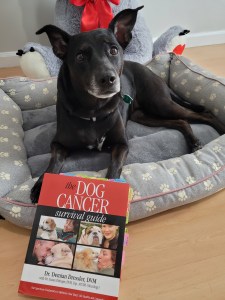
Cookie posing with my copy of Dog Cancer Survival Guide

My copy is well-highlighted and flagged. While it started with Ziggy, when Cookie had her own encounters with cancer (more on that in a future post!), it was helpful to reference and learn what to expect with her cancer.

Note

I’m an Amazon affiliate and can earn commission on eligible purchases.

I found DogCancer.com as it is run by the publishers of the Dog Cancer Survival Guide.

In addition to resources on the site, they have an excellent podcast, newsletter, and Facebook support group. In the beginning, I listened to EVERY podcast episode – even ones that didn’t seem particularly relevant to Ziggy. With time, I learned to be more selective of which episodes I listen to for the sake of my emotional health.

Similarly, the Facebook group can be heartbreaking, seeing how many lives are touched by canine cancer. But, it can be incredibly helpful to lean on a community that can relate to the rollercoaster of emotions you experience. Sharing the wins along the way can also bring so much joy, or even asking for ideas and suggestions when you encounter challenges (just be sure to consult your care team before making any changes).

And more!

Thanks to DogCancer.com‘s podcasts, I was introduced to many great resources that led me to even more. I often start following many accounts, and with time, I may choose to unfollow some that may not align as well with my values or are otherwise not a fit. Visit the Pawrenting Resources page for more recommendations.

Tips

Don’t take my word for it. Your experience or views of a particular resource may differ from mine based on your journey and values.

As you start following different professionals, assess if they’re one-sided, if they address counterarguments, and how they align with your views.

The more you follow, the more viewpoints open your mind, and the more likely you will find some that rub you the wrong way. Don’t write them off because there’s one bit of content you disagree with. It’s hard. Who you follow should bring you joy or expand your knowledge. If they do neither, unfollow them.

Always consult your real-life pack (vets, specialists, trainers, groomers, and beyond), and remember – you can unfollow people in real life, too. (More to come when I tackle being your pup’s advocate!)