Cookie’s Cancer Journey

Cookie’s cancer journey is less dramatic than Ziggy’s, but it’s scary in its own right.

How it began

In July 2021, nine months after Ziggy’s diagnosis, I spotted a decent-sized lump on Cookie’s front left leg, right by her elbow. It shocked me because of its size – that of a very large grape. I was surprised that I hadn’t noticed it sooner. We monitored it for a few weeks before scheduling an appointment with our vet in early August.

Though the vet felt confident that it was benign, I know from Dr. Sue Cancer Vet, that no one could tell whether a lump is benign or cancerous. So we aspirated. It was inconclusive.

Unsure about aspirating again to get another inconclusive result, we scheduled a consult with Ziggy’s oncologist. He was concerned that it may be a soft tissue sarcoma. He recommended surgery to remove and biopsy the lump.

Our primary vet did the surgery and opted for conservative margins. Given the location, he was worried about healing if the margins were too aggressive and it turned out to be benign.

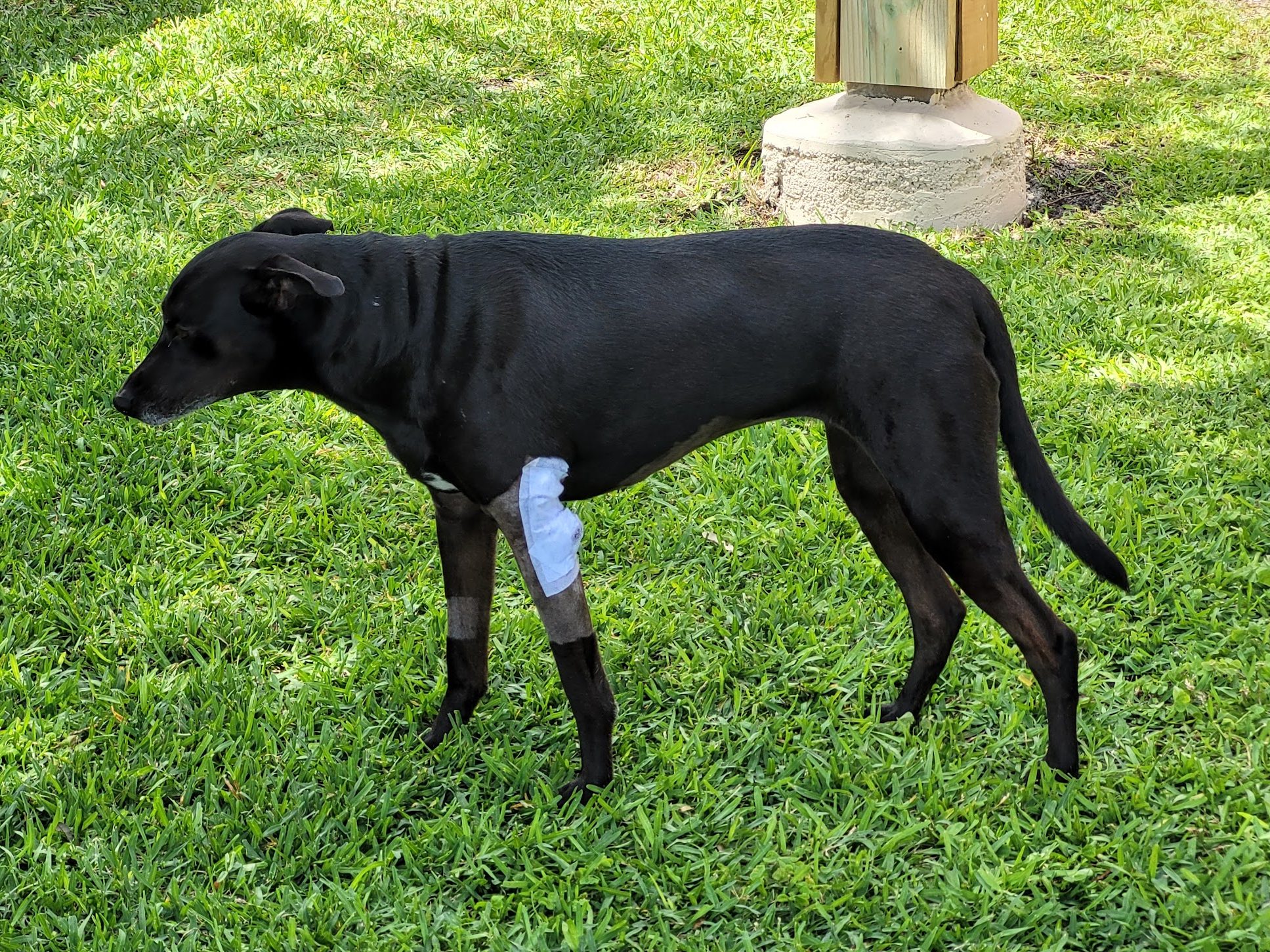
Cookie's front left leg showing the suture site after her initial surgery.
Cookie’s suture site after the initial surgery.

Sure enough, the biopsy confirmed a low-grade soft tissue sarcoma. It required a revision surgery to get full margins.

Cookie’s surgeries were outpatient surgeries with an easy recovery. But each time I picked her up, she tried to leave with another family! And she gave me the cold shoulder for 24 hours. She’s a pretty different patient compared to Ziggy.
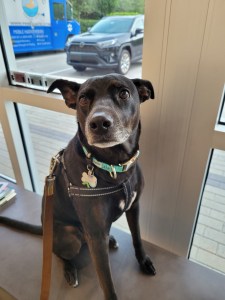
Cookie sitting on a bench at the vet, ready to leave before having her revision surgery.
Cookie was ready to leave before her revision surgery.

Cookie didn’t require further treatment, but we did chest X-rays every few months as a precaution. She was probably already on the same diet as Ziggy, but we added some supplements to improve her care.

Oops, it happened Again

In March 2023, a year after Ziggy passed, I saw the same lump in what seemed to be the exact same spot. We again did an aspirate, which indicated the lump was likely cancerous.

This time, our vet recommended a consult with a board-certified veterinary surgeon. He was concerned about the difficulty of the surgery, given it would be round three in nearly the same spot.

The surgeon wanted us to consult with the oncologist before proceeding with the surgery. In her written report, she was concerned about the ability to get full margins and indicated that amputation may be the best approach for a curative result.

The possibility of a front leg amputation on our first furbaby, an agility athlete, gutted us. My husband was immediately against the possibility. I also wanted to be, but I wanted to hear what the oncologist had to say – what the different prognoses may be with different treatment options.

Fortunately, the word amputation never came up with the oncologist. He said the lump was technically not in the same spot, so it wasn’t a recurrence, and removal would be curative.
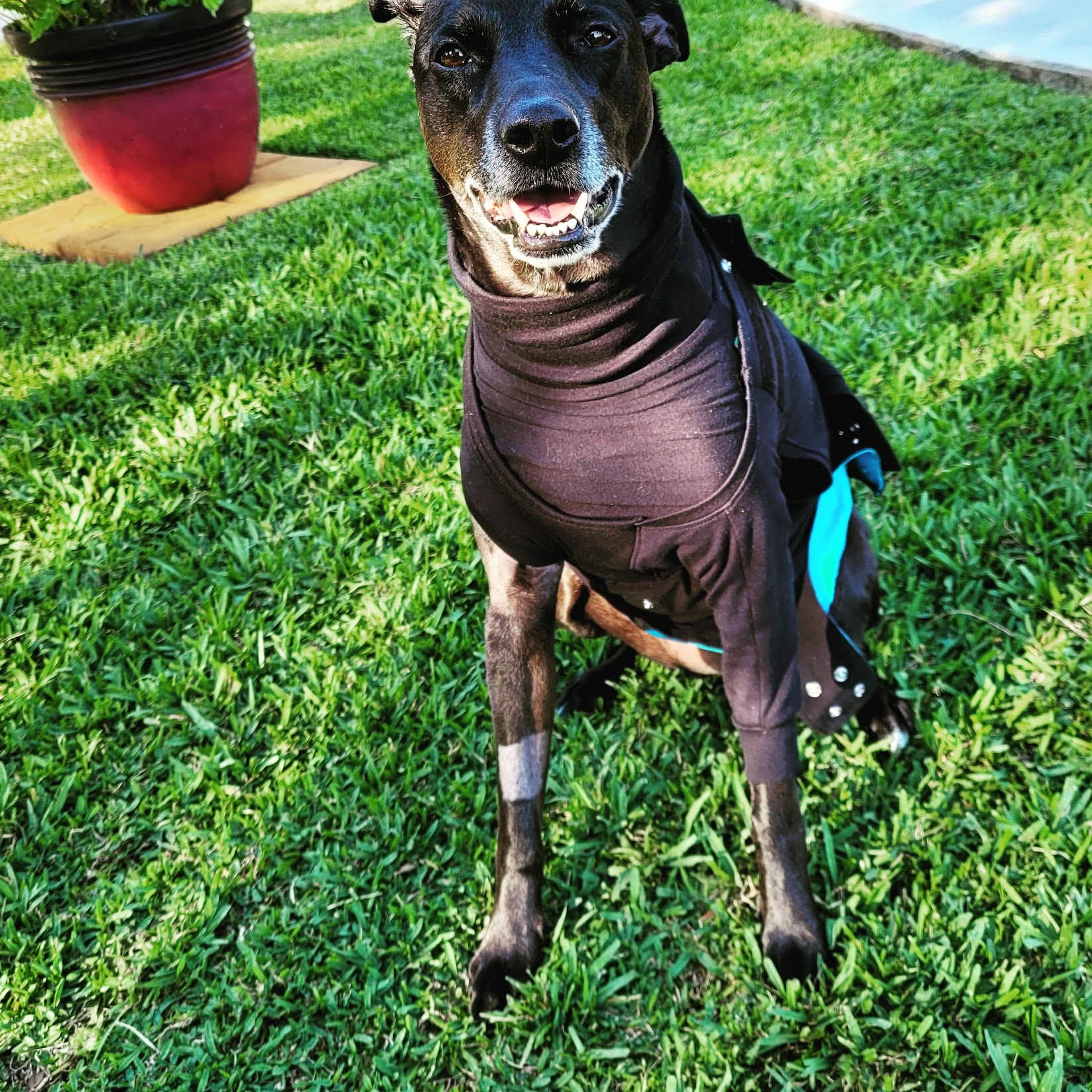
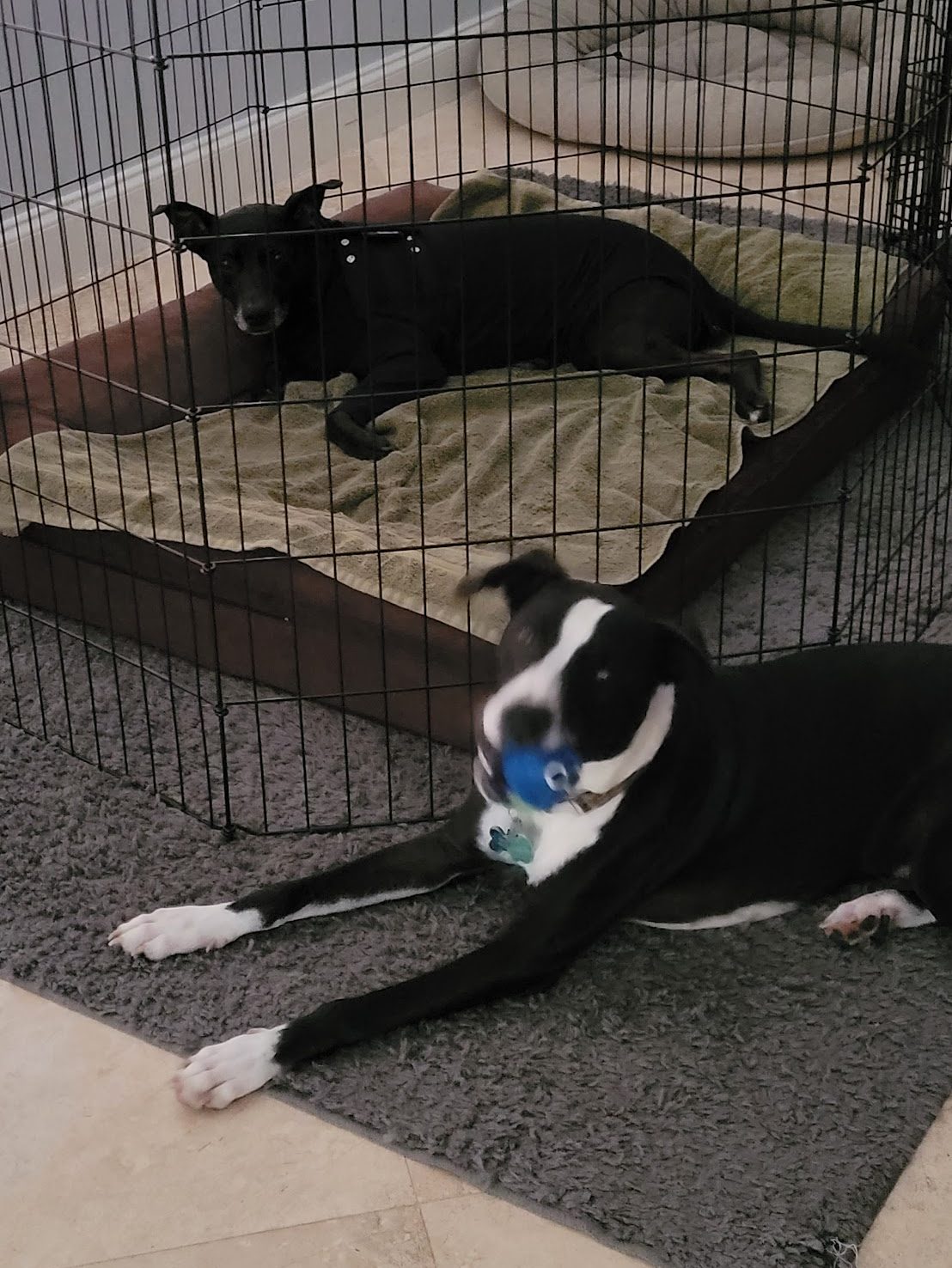
We did the surgery, got clear margins, and also removed a giant lipoma from her other side. Cookie did well, but this was a slightly harder recovery for her as she’s a little older, had surgery on both sides of her body, and had a younger brother to contend with during her recovery.

One product I highly recommend is a surgical suit or recovery sleeve (I’m an Amazon affiliate and can earn on qualifying purchases). Since Cookie had the lump and lipoma removed on either side of her body, she wore both to protect the suture sites and remained cone-free until the sutures were removed. It’s wise to get more than one to swap them out while washing one.

Ongoing treatment
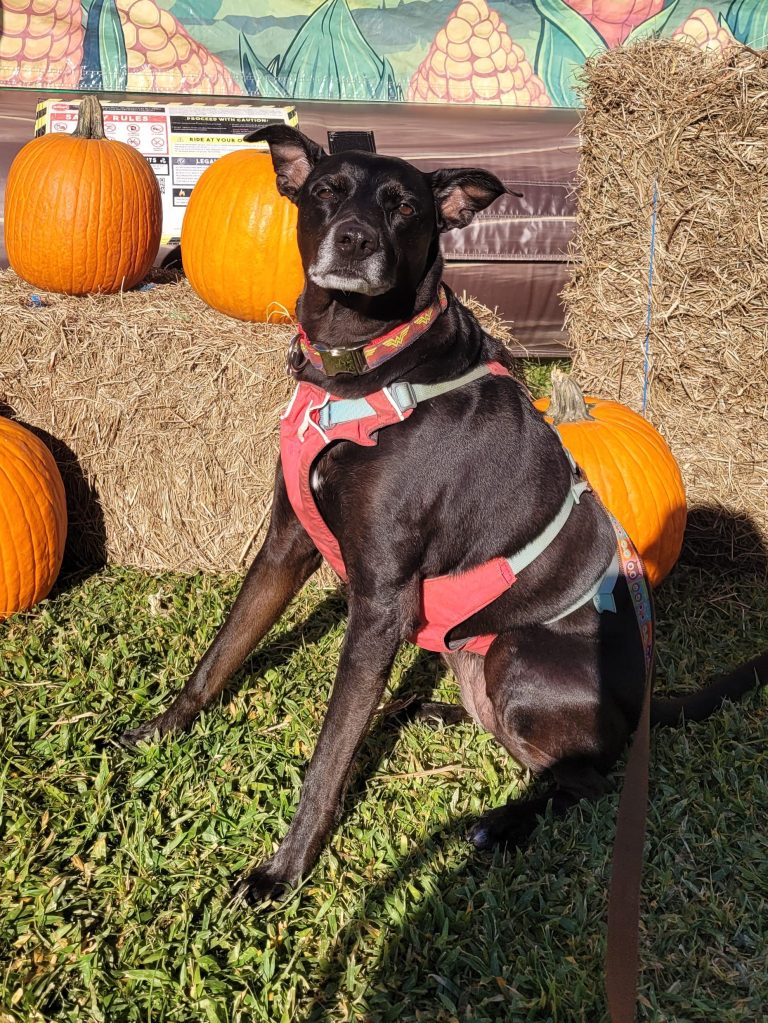
Cookie, fully recovered, is judgmental about the fake corn maze in Florida.

Our oncologist gave us the option of putting Cookie on chlorambucil, a low-dose at-home chemo treatment, to reduce the likelihood of recurrence for ongoing treatment. Typically, pawrents opt for six months of treatment as it is the standard of care and for financial reasons. We’re fortunate to be able to afford to continue her on the chlorambucil. It’s a chemo that is safe for her to take longer, especially since she’s tolerated it well. We check in with the oncologist every two months and will do chest X-rays every six months or so.
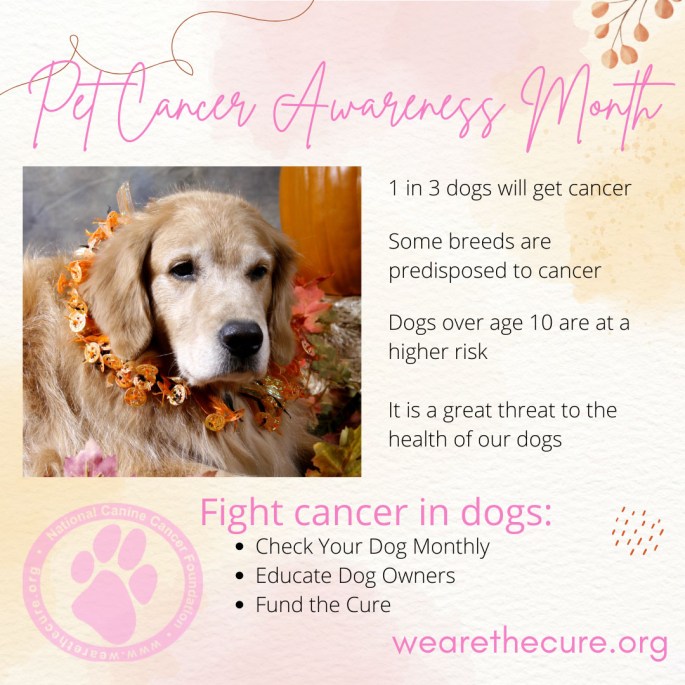

F*ck. My dog has cancer

I’m so sorry to hear that. Cancer sucks. Here’s my advice on what to do based on my experience.

Feel your emotions

Photo by Sofia Alejandra on Pexels.com

Whether your furbaby is old or young, showing symptoms or not, the cancer diagnosis is likely to feel like a punch to the gut. There’s no right or wrong set of emotions to feel. You may be sad, angry, anxious, or afraid. Allow yourself the grace to feel your emotions.

Don’t try to suppress your emotions. It will only blow up later. Do try to process them away from your furbaby if possible. I know it may be hard, but they pick up on our emotions, and you want to minimize them picking up on the anger, sadness, or fear, which can increase their stress.

When dealing with Ziggy and Cookie’s diagnoses, Ziggy’s especially, we bawled, cursed, and screamed. We did our best to have the worst of our breakdowns away from the pups to minimize their stress. It’s not always easy or possible, but do what you can.

Take action

Photo by Tima Miroshnichenko on Pexels.com

Once you’ve taken a beat to digest the news and process your emotions, it’s time to take action. That can look like many different things, depending on many factors.

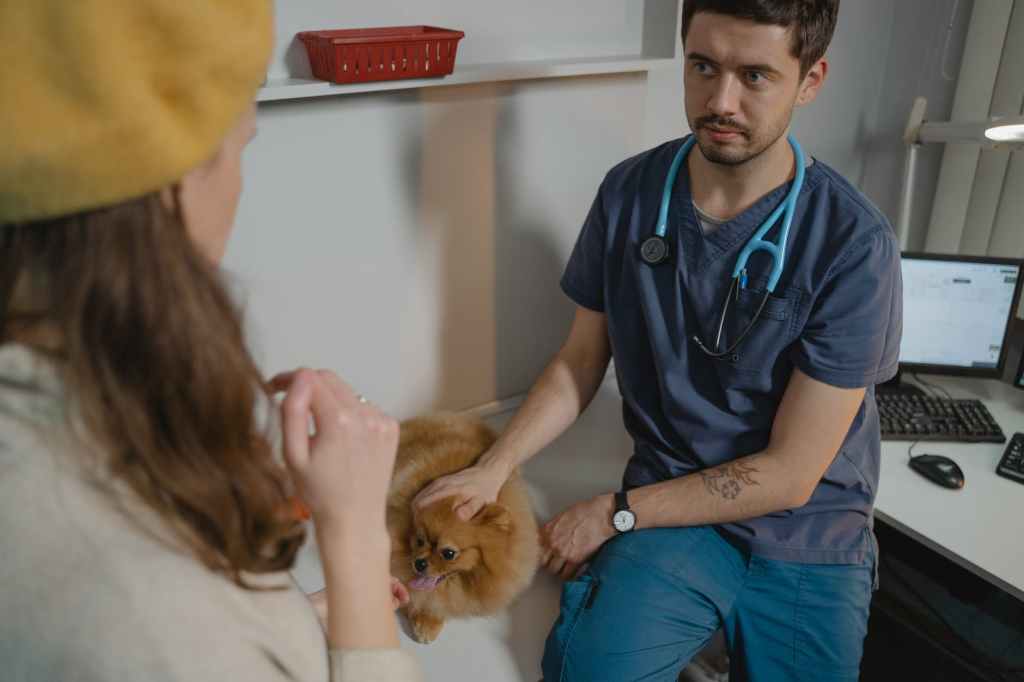
You may want to consider a second opinion, which may come in the form of a specialist (i.e., a veterinary oncologist) or simply another vet. We did both with Ziggy because of his young age and our hope for a less traumatic diagnosis. Additionally, it was a few weeks before the oncologist could see us, so a second opinion with another vet was a good checkpoint while we waited for the oncology consultation.

I highly recommend a consultation with a veterinary oncologist. They’re more likely to be able to give you a range of treatment options, give you information on a prognosis, and other important details. If there isn’t a veterinary oncologist near you, you may be able to do a virtual consult (thanks, pandemic!) or at least have your primary vet consult with one.

On the American College of Veterinary Internal Medicine’s website, you can search for a specialist using their “find a specialist” search tool.

Learn More

Being human isn’t easy these days, and you may not have the privilege of time to do so, but I strongly encourage you to do what you can to learn more. Beyond the conventional treatments (surgery and chemo), most of the additional treatments that we started for Ziggy and Cookie (e.g., supplements, home-cooked foods, etc.) are ones found through DogCancer.com‘s resources.

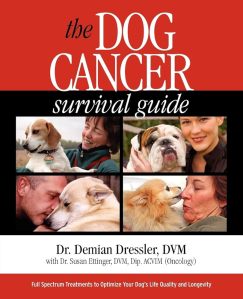
The Dog Cancer Survival Guide (I’m an Amazon affiliate and may earn based on qualifying purchases) is my top recommendation. They present many treatment options that vary in cost and time intensiveness. They also have short podcast episodes, though I recommend selectively listening to topics of most interest to you based on your dog’s journey. Their Facebook support group can also be a source of comfort from fellow pawrents who you may relate to better than your family and friends.

Be your pup’s advocate

No one knows your pup better than you. If something doesn’t feel right, don’t do it. Consult with experts and others who have been through something similar, but remember the key difference: you and your dog.

You know your situation best. I do encourage you to explore and consider various options. That may include aggressive conventional treatment, hospice care, holistic treatments, or a little bit of each at different points in your journey. Everything from your pet’s age, cancer type/stage, and personal circumstances (i.e., financial ability, time constraints, etc.) will influence your decisions.

Treatment can add up financially, but there may be options to help with the costs. I plan to write about the tools we use to help manage expenses, but there are more options out there that I urge you to explore.

Dogs don’t have expiration dates

Don’t let anyone tell you that your pup only has a certain amount of time left. I’ve heard this repeated countless times with the DogCancer.com community – dogs don’t have expiration dates. Your vet or oncologist may tell you that with or without treatment, your dog has an average of N days/weeks/months. But that is an average that doesn’t include your dog.

Hemangiosarcoma is one of the most aggressive canine cancers. When Ziggy was diagnosed, we feared he may only have a few months. He lived 17 months post-diagnosis.

My parents’ dog, Brie, went to the emergency vet one night after collapsing (due to internal bleeding). She wasn’t supposed to survive the night, but my parents took her home when she returned to her usual self. Brie lived five months after that. While never officially diagnosed with cancer, based on what I learned about hemangiosarcoma, I suspect that’s what she had. With no treatment, she lived five more months being spoiled with all kinds of yummy food and love. The emergency vet suggested they could do surgery, but there was a possibility that she wouldn’t survive. My parents opted to take her home and forego treatment.

Ziggy coming home after his splenectomy.

What is right for one pup and one family may not be right for another. Even within one family, you may make different decisions for different dogs. Ziggy was young, and he was an EXCELLENT patient, going to the vet with a smile on his face. Cookie and Chip aren’t as easygoing as patients. That may factor into what options we choose for them.

Ask for help

Being human is hard. Being human while caring for a sick pet is harder. Whatever path you choose, ask for help. It may not be caring for the sick furbaby, but it may be helping with other stuff so that you can care for your furbaby.

Cherish every day

Ziggy enjoying a stroll in Key West 7 months after his amputation.

Most important: cherish each moment with your furbaby. We should do this every day, even when they’re healthy, and with all of our loved ones. But being human is hard, and sometimes we get caught up in the little things that don’t matter.

When they’re sick, regardless of what treatment path you choose, prioritize their quality of life. Do what you can to do more of what makes them happy. You won’t regret it.