

Now that you know that there are so many dog sports to choose from, how do you pick?
General Research
Reading about the experience of other pawrents, or talking to friends with experience in dog sports, can be one way to familiarize yourself with the sport. So can watching YouTube videos of classes or competitions.
The websites of the various venues can also provide a wealth of information, including connecting you with dog clubs in your area that host competitions and/or classes.
Here are the websites of various groups I’ve referenced this past month.
- American Kennel Club
- Barn Hunt
- Canine Performance Events
- National Association of Canine Scent Work
- North America Diving Dogs
- U.S. Dog Agility Association
find classes

Research dog trainers or dog clubs in your area. Sign up for classes to better gauge what the sport will entail long term. If you take a class and the sport interests you, but you’re unsure, consider trying classes with another instructor. Everyone has different teaching styles and personalities. Look for someone you’re comfortable with and that prioritizes the well-being of your dog.
Assess Personality & Interest


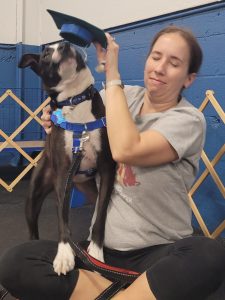
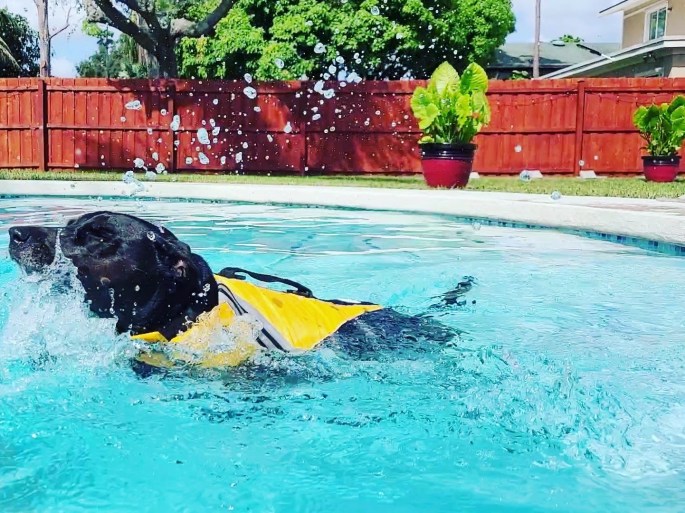
A good place to begin is assessing you and your dog’s personalities and interests. Is your dog high-energy? Agility may be a great fit. Does your dog have a knack for sniffing? Perhaps barn hunt or nose work would interest them. Can’t keep your pup out of the pool? Give dock diving a try!
If you recently adopted your dog, or perhaps your dog is still a puppy, you may not know their interests. Obedience is always a great place to start, even if you don’t compete, because obeying basic commands will be important in any sport, if for no other reason than good behavior in classes and competitions.
Safety
Safety and physical well-being is also important. This may be true of all sports, but the one that I’m most familiar with is agility. The high speeds, twists, and turns can put a strain on your dog’s body. If you’ve never used any agility equipment before, don’t introduce your dog to them without guidance from an instructor. Young pups are developing their bones and muscles. Introducing them to tight weave poles too young can cause long-term damage. This is an excellent article about preventing orthopedic injuries in dogs that compete in sports.
Budget Considerations
Depending on your goals for your dog, some sports are more expensive than others when you add up classes, entry fees for competitions, travel expenses, and any equipment you may choose to purchase for at-home training.
Start slow and make sure you want to commit to the sport before investing heavily.
Bottom Line
There countless canine sports available to try. Take your time to find one that best suits you and your pup. And, remember, the competition and titles are a distant second to having fun and bonding with your pup!




 pawrentingtails.com